

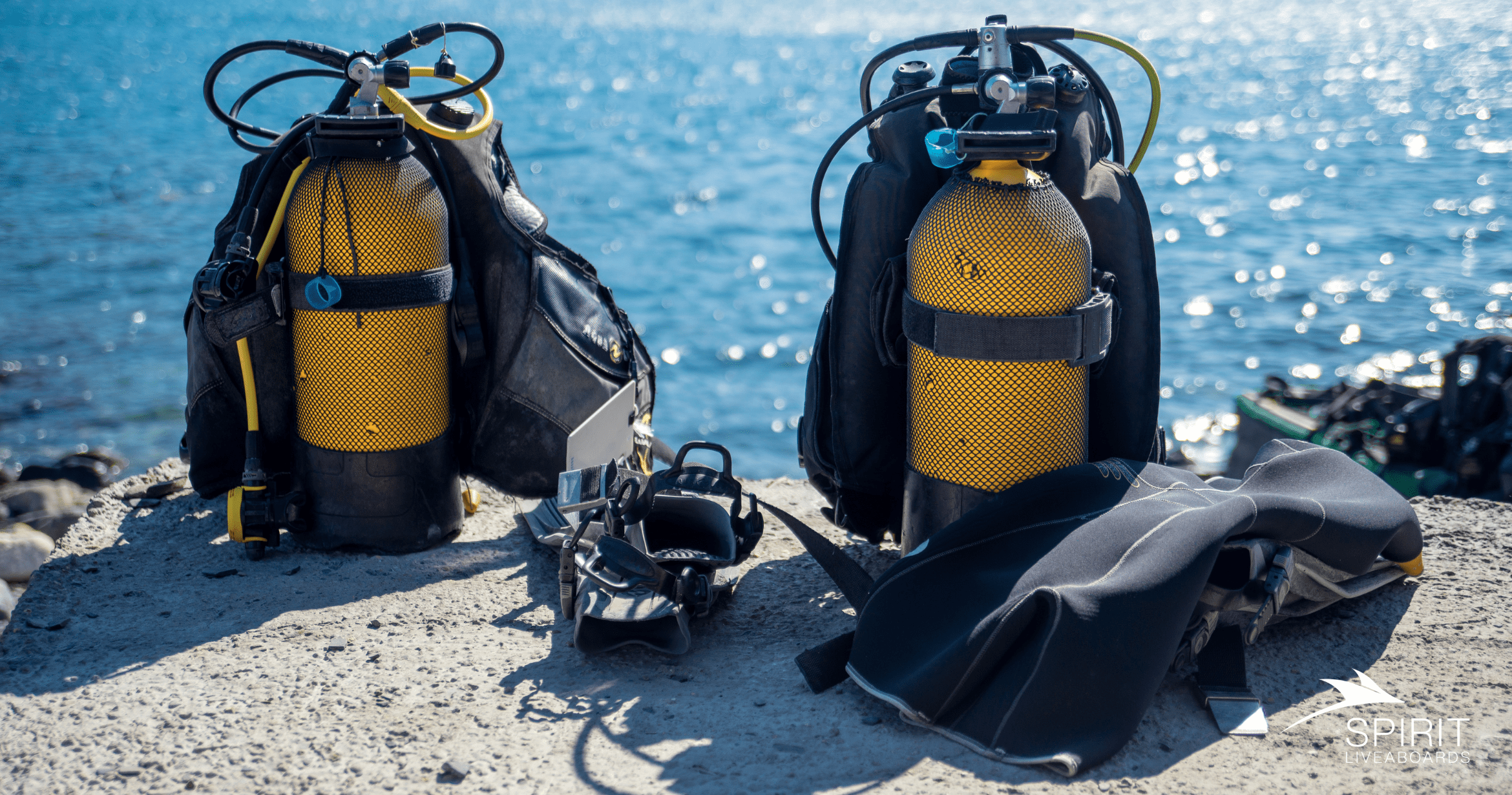

Nitrogen narcosis is a condition that you might experience during a scuba dive when you go underwater. It happens because the air you breathe takes N₂ into your body tissue. As you go deeper, the thrust increases, causing more N₂ to dissolve in your blood. It has a narcotic effect on your brain in the sea. It can make you feel confused or dizzy, similar to feeling drunk. This is why you must carefully track how deep you go in the water.
Symptoms of Nitrogen Narcosis
Nitrogen narcosis, often called “the rapture of the deep,” affects scuba divers when they descend to certain levels. This condition arises because N₂ dissolves in the blood deep underwater. It can impair physical coordination and mental clarity, creating risks for recreational divers. Recognizing its symptoms is essential to ensure safe practices.
Understanding the effects of N₂ during deep dives and being prepared can save lives. As depth increases, nitrogen dissolves more readily in the blood, disrupting mental and physical functions. Using gas mixtures like nitrox or trimix helps reduce these risks. Diving within recreational depth and adhering to safety protocols minimizes exposure to this condition.
| Category | Symptoms | Details |
|---|---|---|
| Physical Effects | Impaired motor skills, dizziness, fatigue | These signs include difficulty controlling movement and feelings of lightheadedness. In severe cases, coordination may become dangerous. |
| Cognitive Effects | Confusion, euphoria, poor judgment | Mental effects may lead to overconfidence, poor decision-making, or a failure to follow safety protocols. |
| Sensory Changes | Blurred vision, difficulty hearing | Divers may experience distorted perception, making tracking gauges or understanding surroundings harder. |
| Emotional Responses | Anxiety, irrational fear, or extreme calmness | Emotional shifts might lead to panic or unwarranted risk-taking behaviors. |
| Onset Conditions | Symptoms often appear at depths over 30 meters (100 feet) | The effects intensify with growing depth and can vary based on individual tolerance, oxygen mixture, and diving environment. |
What is Nitrogen’s Impact on Diving
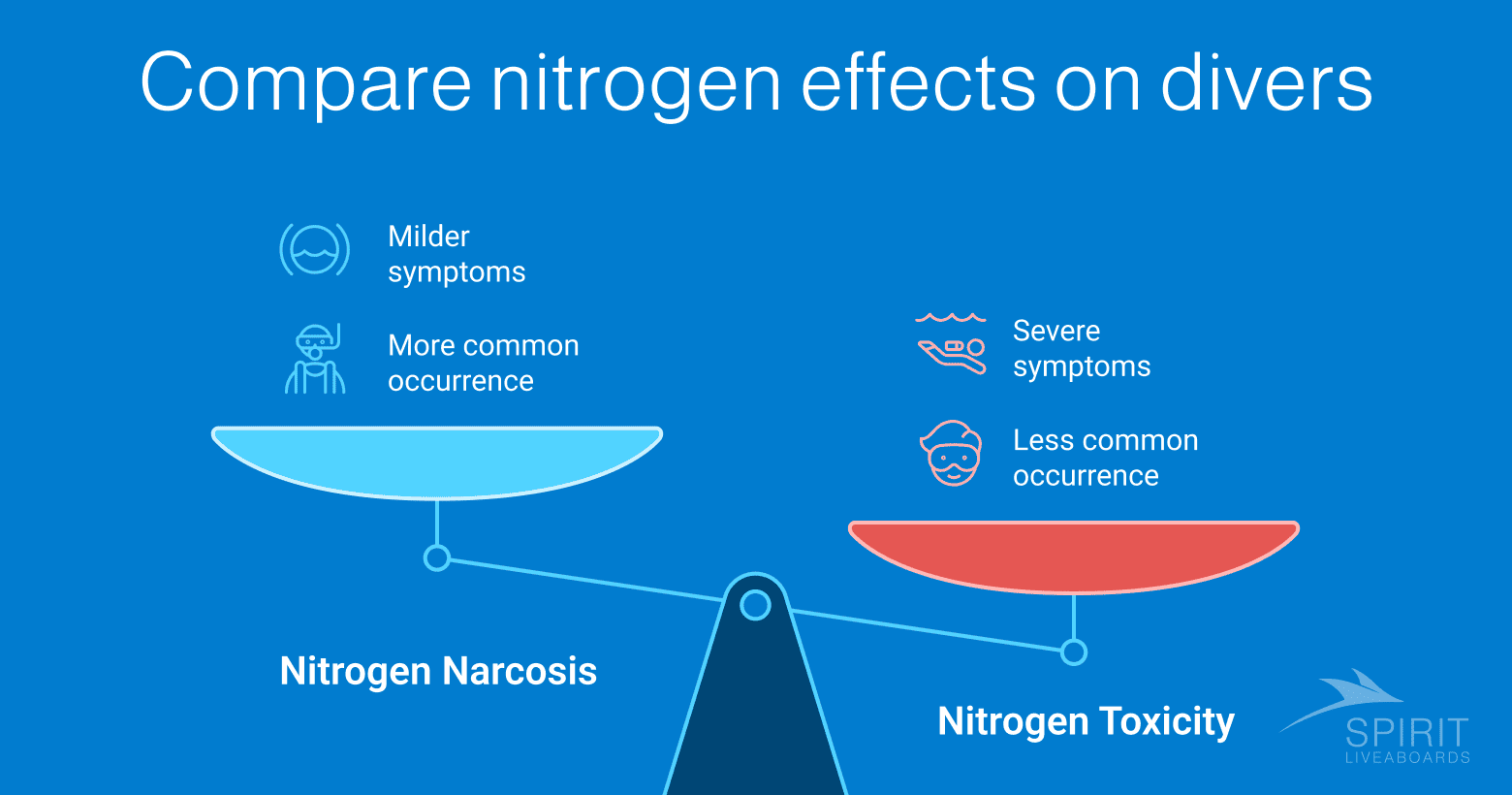
When you’re diving and breathing air, nitrogen can influence you in different ways. N₂ narcosis occurs when it interferes with your brain and can cause confusion or dizziness. This is different from nitrogen toxicity, which resembles poisoning and is uncommon in recreational diving. N₂ from the air can also dissolve into your blood and tissues, a process called inert gas uptake. If you ascend too quickly, these gases can form bubbles and result in decompression sickness, or “the bends.” That’s why a slow ascent and a dive PC are critical for planning safer dives. At sea level, these issues don’t arise, but they can develop under pressure underwater. In very deep dives, nitrogen hypoxia can occur when your body lacks oxygen, disrupting your lung function. Hyperbaric treatment might be necessary if clinical symptoms appear. Using the appropriate scuba equipment helps mitigate these risks.
Why Does Your Body Absorb Nitrogen When Diving?
When scuba diving, your body takes nitrogen because of the higher pressure underwater. At sea level, the air consists of approximately 21% oxygen and 79% nitrogen. While oxygen is essential for survival, N₂ is an inert gas that the body does not metabolize. However, under higher pressure, such as when diving, the amount of N₂ that dissolves into your body’s tissues grows significantly due to Henry’s Law, which states that gas solubility in a liquid is higher at depth.
As a diver descends, the higher ambient pressure forces more nitrogen into the bloodstream and tissues. The deeper and longer the dive, the more nitrogen the body inhales. This process is natural and typically harmless within safe depth and time. However, excessive nitrogen absorption or improper decompression can lead to issues like decompression sickness (DCS), where nitrogen bubbles form in tissues, causing joint pain, dizziness, or more severe health risks.
Dive PCs play a critical role in managing nitrogen levels, helping divers track how much nitrogen is inhaled and ensuring safe ascent rates to avoid bubble formation. By tracking depth and dive duration, they calculate safe no-decompression based on proven decompression models.
At What Depths Does Nitrogen Narcosis Occur
You might start to feel nitrogen narcosis around 30 meters, or 100 feet, under the sea. This is when the partial pressure of nitrogen grows, affecting your mind. As nitrogen is an inert gas, it builds up in your body as you go down. This nitrogen uptake can make you feel lightheaded. Using a tank with a gas mix like helium can help reduce these effects. Helium is often used in technical diving because it causes fewer problems than nitrogen and oxygen. Your body’s response to narcosis can also vary. Some people may feel the effects sooner, while others may feel them later. Dive conditions, like water temperature and currents, can also change how you feel. If you feel strange, it’s important to ascend safely to prevent any problems, like a bend in your bloodstream.
How Your Dive Computer Tracks the Nitrogen in Your Body
Dive PCs are essential tools for tracking nitrogen levels in the body during scuba. They use real-time data, algorithms, and decompression models to ensure safe practices by calculating the absorption and release of nitrogen.
Key Features of Dive Computers
- Tracking Nitrogen Absorption: During a dive, the body inhales nitrogen due to more thrust underwater. The dive PC calculates nitrogen levels based on depth, duration, and breathing gas composition. Faster tissue compartments inhale nitrogen more quickly than slower ones. The PC uses this data to track how saturated different tissues are with nitrogen.
- Decompression Algorithms: Most PCs use advanced algorithms like Bühlmann ZHL or RGBM. These models divide the body into multiple compartments to calculate safe no-decompression limits (NDL) and alert divers when decompression stops are needed.
- Real-Time Monitoring: The display shows current depth, dive time, and nitrogen saturation. Visual indicators (e.g., green, yellow, red zones) warn of approaching safety.
- Ongoing Adjustments: Dive PCs adapt to conditions like altitude or water salinity. High-altitude requires recalibrations due to lower atmospheric pressure, ensuring accurate nitrogen tracking.
- Residual Nitrogen Management: After a dive, nitrogen remains in tissues, requiring time to dissipate. It tracks residual nitrogen to help plan repetitive safely.
- Gas Compatibility: Many PCs can track enriched air (nitrox) to extend dive times while managing nitrogen and oxygen exposure.
Why Dive Computers Are Crucial
By continuously updating nitrogen saturation data, dive PCs minimize the risk of decompression sickness (DCS). Divers using them have greater flexibility and safety compared to traditional dive tables.
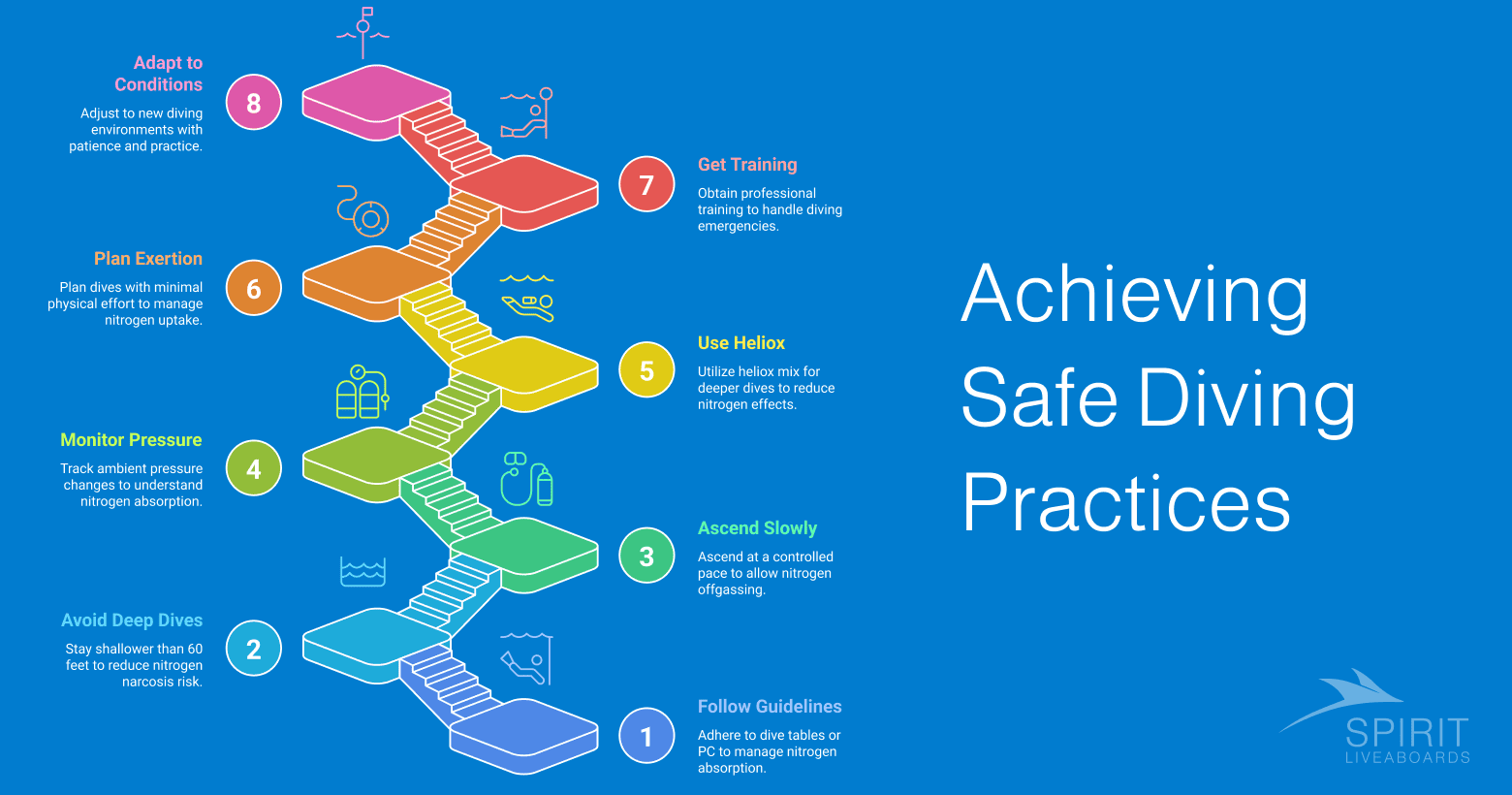
10 Strategies to Prevent Nitrogen’s Impact on Diving
When you’re diving, it’s important to manage how nitrogen affects your body. Here are some practical strategies you can use to stay safe.
1. Follow the Guidelines for No-Decompression Limits:
Always adhere to guidelines using dive tables or a PC to track no-decompression. This is crucial to managing how much nitrogen enters your blood. Staying within them reduces the risk of N₂ forming during ascent, which can lead to sickness, commonly referred to as “the bends”.
2. Avoid Diving Below 60 Feet
For recreational diving, keeping your dives shallower than 60 feet reduces the threat of nitrogen narcosis. As a diver goes deeper, the thrust increases, which can impact your mental clarity and decision-making. Shallow dives are typically safer, involving lesser N₂ absorption, and are generally considered safe for most divers.
3. Ascend Slower to Allow for Proper Offgassing
Make sure your ascent is slower, ideally not exceeding 30 feet per minute. By making safety stops, even when not mandatory, you allow excess nitrogen to offgas from your blood & tissues. This approach minimizes the risk of forming N₂ bubbles and reduces the chance of sickness.
4. Be Aware of Ambient Pressure Changes
Always monitor the ambient pressure changes as you dive, as they affect how much nitrogen is absorbed into your body. Use scuba equipment like a depth gauge or a dive PC to keep track of your exact depth. Understanding these changes is crucial, especially in challenging dive sites or when conditions are variable.
5. Using Heliox Instead of Regular Air
For technical divers exploring deeper waters, using a heliox mix can help eliminate the risk of nitrogen narcosis. It reduces exertion by decreasing breathing resistance underwater, providing a safer and more comfortable dive at greater depths. This mixture reduces the narcotic effects of N₂, allowing you to enjoy deeper dives with lesser risk.
6. Plan Your Dive with Minimal Exertion
Track your physical activity underwater to reduce nitrogen uptake in your blood and tissues. It increases oxygen use and can lead to higher levels of carbon dioxide, increasing N₂ absorption. Plan dive profiles that include low-effort activities and rest often to manage gas uptake effectively.
7. Get Professional Training
Professional training provides crucial skills to detect and manage potential issues early. It helps you understand the long term implications of deeper dives and prepares you to handle emergencies. Through advanced courses, you can expand your knowledge to include technical diving, ensuring safety remains your top priority.
8. Be Cautious of Any Signs of a Convulsion
Stay alert for any unusual physical sensations like dizziness or muscle twitching. Such symptoms can indicate serious N₂-related issues, which can escalate rapidly. Ascend immediately if needed, and ensure you dive with a buddy who can assist in emergencies if you experience symptoms.
9. Choose Dive Depths That Would Be Safe
Select depths that match your comfort and experience level. Using your dive PC to plan and track your dive profile is essential for maintaining safety. As you gain experience, you can gradually explore more challenging environments, giving priority to safe practices at all times.
10. Remember That Adapting to Diving Conditions May Be Hard
Adapting to different diving environments takes patience and practice. When trying new dive locations, give yourself time to adjust to the conditions. Focus on steadily increasing your skill level, which helps ensure you enjoy safe and fulfilling diving experiences regardless of where you are diving.
Conclusion
it’s important to recognize and manage nitrogen narcosis during your dives. Pay attention to signs like confusion or nausea caused by N₂ in the blood. Knowing how inert gas pressure affects you at deeper depths can prevent uncomfortable situations. Always dive within safe limits, as going too many feet deep without caution can lead to serious issues. Prioritizing safety and awareness ensures you enjoy your dives without trouble. Remember that understanding the environmental conditions and adjusting your plans accordingly can make diving pleasurable and safe.
Join us at Spirit Liveaboards for an unforgettable diving experience. We offer luxury diving in the Maldives and Fiji with expert guides who are familiar with local waters. Our bespoke dive trips are designed for both adventure and comfort. We ensure every dive site you visit is suited to the day’s conditions. Our yachts provide premium amenities, focusing on your safety and satisfaction. Let us help you explore the underwater world with peace of mind and exceptional service.


Leave your comment: