

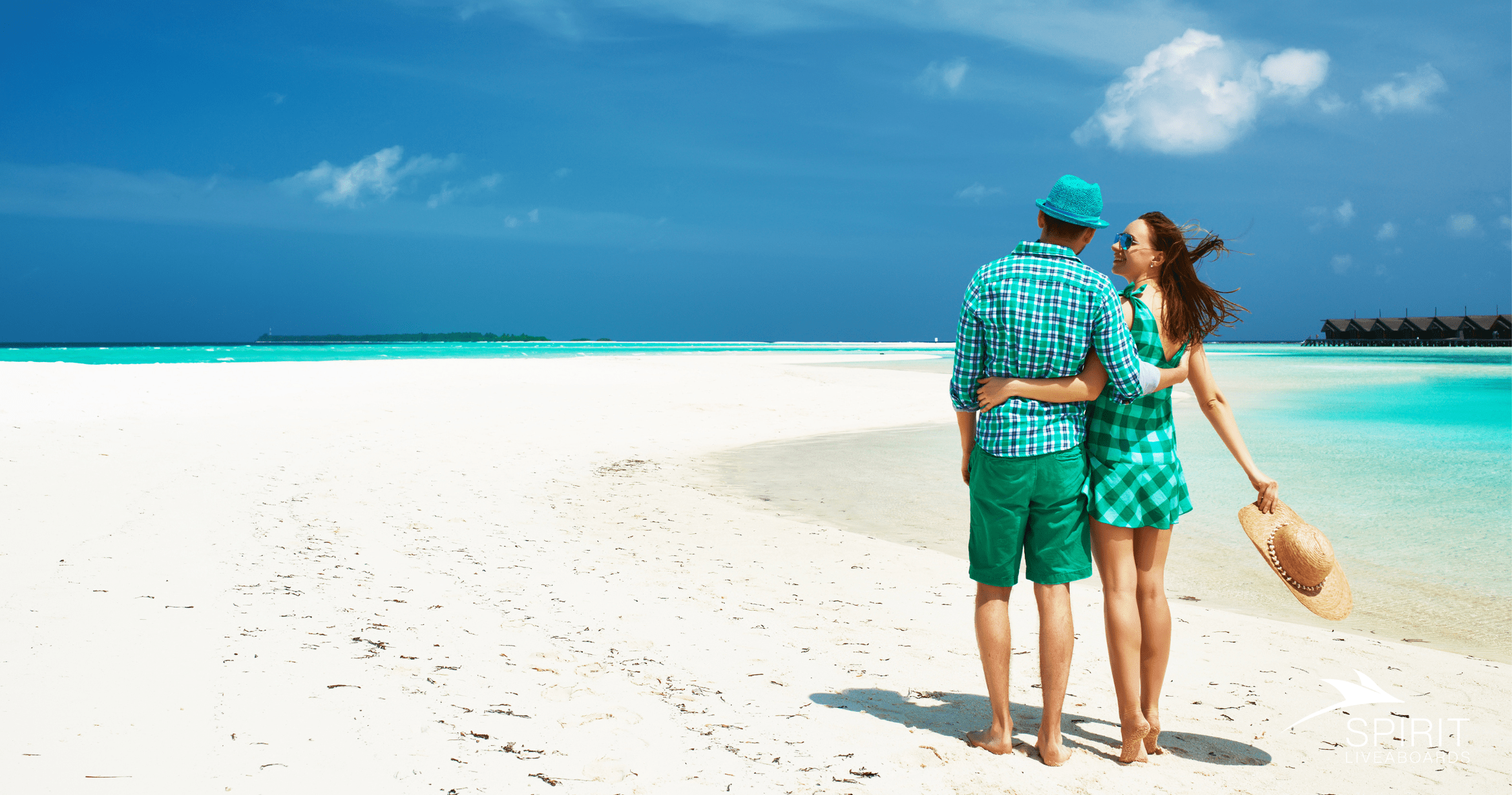

The Maldives is known for its incredible diving, but there’s much more to experience beyond the water. Between dives, visitors can explore local traditions, enjoy authentic food, and discover the warmth of island hospitality. From lively drum performances to fishing with locals, these cultural experiences offer a deeper connection to the islands. Make your trip even more memorable by immersing yourself in the unique heritage of the Maldives.
1. Experience Hospitality
Hospitality is at the heart of Maldivian traditions, where visitors are welcomed with warmth and generosity. Locals take pride in making guests feel at home, whether through friendly conversations or sharing traditional customs. One of the best ways to experience this is by joining a community gathering over a cup of black tea, often served with sweet or savory snacks. Tea culture plays an important role in daily life, bringing people together to relax and connect. Visiting a local island offers a chance to experience this firsthand, gaining insight into the simple yet meaningful traditions that define their hospitality.
2. Relax on Pristine Beaches
The Maldives is home to some of the world’s most breathtaking beaches, with powdery white sand, crystal-clear lagoons, and endless shades of blue stretching to the horizon. Each island offers its own slice of paradise, whether it’s a secluded sandbank, a palm-fringed coastline, or a pristine beach with vibrant coral reefs just offshore.
Beyond their beauty, the beaches provide the perfect setting for relaxation and adventure. Spend your day sunbathing in a tranquil setting, take a leisurely swim in the warm waters, or enjoy a barefoot stroll as the sun sets over the Indian Ocean. For a more exclusive experience, visit untouched beaches accessible only by boat—hidden gems where you can soak in the natural beauty away from crowds.
3. Enjoy a Bodu Beru Performance
Bodu Beru is the most iconic form of traditional music and dance, filling the air with rhythmic drumming and energetic performances. A group of drummers plays large wooden drums while singers chant in harmony, creating a hypnotic beat that builds in intensity. As the rhythm picks up, dancers move with excitement, often drawing the crowd into the performance.
Visitors can experience it at cultural events, local island gatherings, and even some resorts that host live performances. For those who want to join in, some communities and cultural centers offer interactive sessions where guests can try drumming or dancing alongside locals. It’s a vibrant and unforgettable way to connect with the island’s traditions.
4. Explore Local Island Life
Visiting inhabited islands offers a glimpse into the daily lives of Maldivians, far from the luxury resorts. These islands showcase a close-knit community lifestyle, where people gather for tea, children play in sandy streets, and fishermen bring in their daily catch from the Indian Ocean.
Local markets are a great place to experience authentic island life, with stalls selling fresh seafood, tropical fruits, and handmade crafts. Many homes reflect the Island’s traditions, featuring coral stone walls and open courtyards designed for social gatherings. Religion also plays a key role in everyday life, with beautifully designed masaajids standing as symbols of Islam and community unity.
Exploring these islands allows visitors to connect with the culture of the Republic of Maldives, experiencing its traditions, hospitality, and way of life beyond the beaches and dive sites.
5. Savor Cuisine
The cuisine of Maldives is a flavorful blend of fresh seafood, coconut, and aromatic spices, influenced by neighboring countries like Sri Lanka and India. Traditional dishes reflect the island way of life, using simple yet rich ingredients that have been a staple for generations.
One must-try dish is Mas Huni, a delicious mix of shredded tuna, coconut, onion, and chili, typically enjoyed with flatbread for breakfast. Another favorite is Garudhiya, a fragrant fish soup served with rice, lime, and chili, offering a comforting and hearty meal.
Dining experiences vary across the islands. On local islands, visitors can enjoy home-cooked meals prepared by families, giving a true taste of Maldivian culture. Resorts also offer fine dining options, blending traditional flavors with modern culinary techniques. Some places even provide interactive cooking sessions where a foreigner can learn to prepare dishes firsthand.
With a variety of food items to explore, the Maldives also offers a rich and unique culinary experience that goes beyond just seafood, making it a key part of any visit.
6. Discover Traditional Craftsmanship
The Maldives has a rich tradition of craftsmanship, with skills passed down through generations. Wood carving is a key part of art, often seen in the intricate designs of masaajids and household items. Lacquer work is another unique craft, where artisans decorate wooden objects with bold patterns in red, black, and gold. Skilled weavers create beautiful mats from dried reeds, using techniques influenced by South Asia.
For those looking to take home authentic souvenirs, Malé is a great place to explore craft markets, where visitors can find lacquerware, woven mats, and handmade jewellery. Local islands in each atoll also have workshops where travelers can see artisans at work, preserving many aspects of heritage.
7. Visit Historic Mosques and Landmarks
The Maldives is home to several historic mosques and cultural landmarks. One of the most famous is the Old Friday Mosque in Malé, built from coral stone with beautifully carved wooden interiors. It reflects both the religion in the Maldives and the islanders’ craftsmanship.
Visitors can also explore other architectural landmarks, such as the Islamic Centre in Malé, known for its golden dome and intricate calligraphy. Many feature coral stone carvings and traditional wood carving, blending art and faith in a way unique to the Maldives.
8. Try Traditional Fishing
Fishing has been the backbone of the Island’s life for centuries, and visitors can experience it firsthand through night fishing trips. Using hand lines and bait, this method is a time-honored tradition that offers a glimpse into island life. As the sun sets over the atoll, fishermen teach guests how to catch reef fish, just as locals have done for generations.
Beyond being a cultural experience, fishing also plays a role in songs and storytelling. Many old tunes celebrate the islanders’ deep connection to the sea, making this an immersive way to connect with the local way of life.
9. Join a Cooking Class
A great way to experience Maldivian hospitality is by learning to cook traditional dishes with locals. Cooking classes, often held in family homes or community centers, teach visitors how to prepare island favorites using fresh ingredients.
Participants can try making Mas Huni, a classic tuna and coconut dish, or cook Garudhiya, a fish broth infused with citrus and chili. These hands-on experiences provide insight into their food traditions, influenced by South Asia and Sinhala flavors. It’s an interactive way to appreciate the island’s unique culinary heritage.
10. Explore a Local Market
Local markets are the heart of island life, offering a lively glimpse into daily routines. The fish market in Malé is one of the busiest spots, where fishermen bring in their fresh catch from the atoll waters. Stalls display tuna, reef fish, and seafood, while vendors skillfully clean and prepare fish for buyers.
Fruit and vegetable markets nearby offer tropical produce like coconuts, bananas, and papayas, filling the air with fresh aromas. These markets highlight many aspects of island life, from the importance of fishing to the flavors that define their cuisine.
Conclusion
Exploring culture between dives adds a whole new dimension to your trip, from traditional music and food to island hospitality and local craftsmanship.
At Spirit Liveaboards, we offer more than just world-class diving — we create unforgettable experiences that connect you with the heart of the Maldives. With expert guides, luxury yachts, and personalized service, we ensure every moment of your journey is exceptional. Join us for the perfect blend of adventure, culture, and comfort on the best liveaboard experience in the Maldives.
FAQs
What is the official language of the Maldives, and how can visitors communicate with locals?
The official language of the Maldives is Dhivehi, which has an Indo-Iranian Sanskritic origin. However, English is widely spoken, especially in tourist areas, making communication easy for visitors. Learning a few basic Dhivehi phrases can enhance interactions with locals.
How has culture been influenced by other regions?
Since the Maldives has long been a crossroads for traders from Arabia, Africa, South-Asia, and the Far East, it has developed a diverse cultural identity. The Maldives has assimilated elements from Indian, Sri Lankan, Persian, and Arab cultures, shaping its traditions, cuisine, and architecture.
Are there any cultural etiquette rules that visitors should follow?
Yes, Maldivian society follows certain customs and traditions that visitors should respect. For example, public displays of affection are discouraged outside of resorts, and modest dress is expected when visiting local islands. When entering a mosque or local home, it’s customary to remove shoes as a sign of respect.
How significant is music and dance in their culture?
Music and dance are an integral part of the culture, often performed at celebrations and festivals. Traditional music blends African, Arabic, and South Asian influences, with instruments like the “bodu-beru” drum playing a key role in performances.
What are some lesser-known Maldivian festivals?
Apart from Maldivian festivals like Eid and National Day celebrated with parades and cultural performances, there’s also another patriotic event, Independence Day, which is revelled with pomp across the islands.
How has the island lifestyle shaped traditional occupations?
Historically, the Maldives has been dependant on the sea, with fishing being a primary source of livelihood. Many jobs that people take on today, such as boatbuilding, fish processing, and marine tourism, still reflect the deep connection to the ocean.
What role do women play in Maldivian society?
While patriarchy is prevalent, the Maldives also has a strong tradition where women are expected to manage households and community affairs. However, many hold influential positions in politics, business, and education. Historically, property has been passed down to both sons and daughters, recognizing the importance of women in society.
What unique food traditions should visitors try?
In addition to popular dishes like Mas-Huni and Garudhiya, travelers should try to use their stay to sample local delicacies such as smoked shredded fish, a common ingredient in many traditional meals.
How does the law affect visitors?
The Maldives is an Islamic country and therfore follows Islamic Sharia law, which influences aspects of daily life, including dress codes, alcohol restrictions on local islands, and prayer times. Visitors should be mindful of these laws while exploring local communities.
Where can visitors find the best Maldives travel packages?
Travelers looking for curated experiences can explore Holidify, browse package collections, and check out top hotel collections to find options that combine cultural immersion with luxury stays. Additionally, websites featuring Maldives travel packages can help visitors plan a well-rounded trip that includes both diving and cultural experiences.


Leave your comment: