


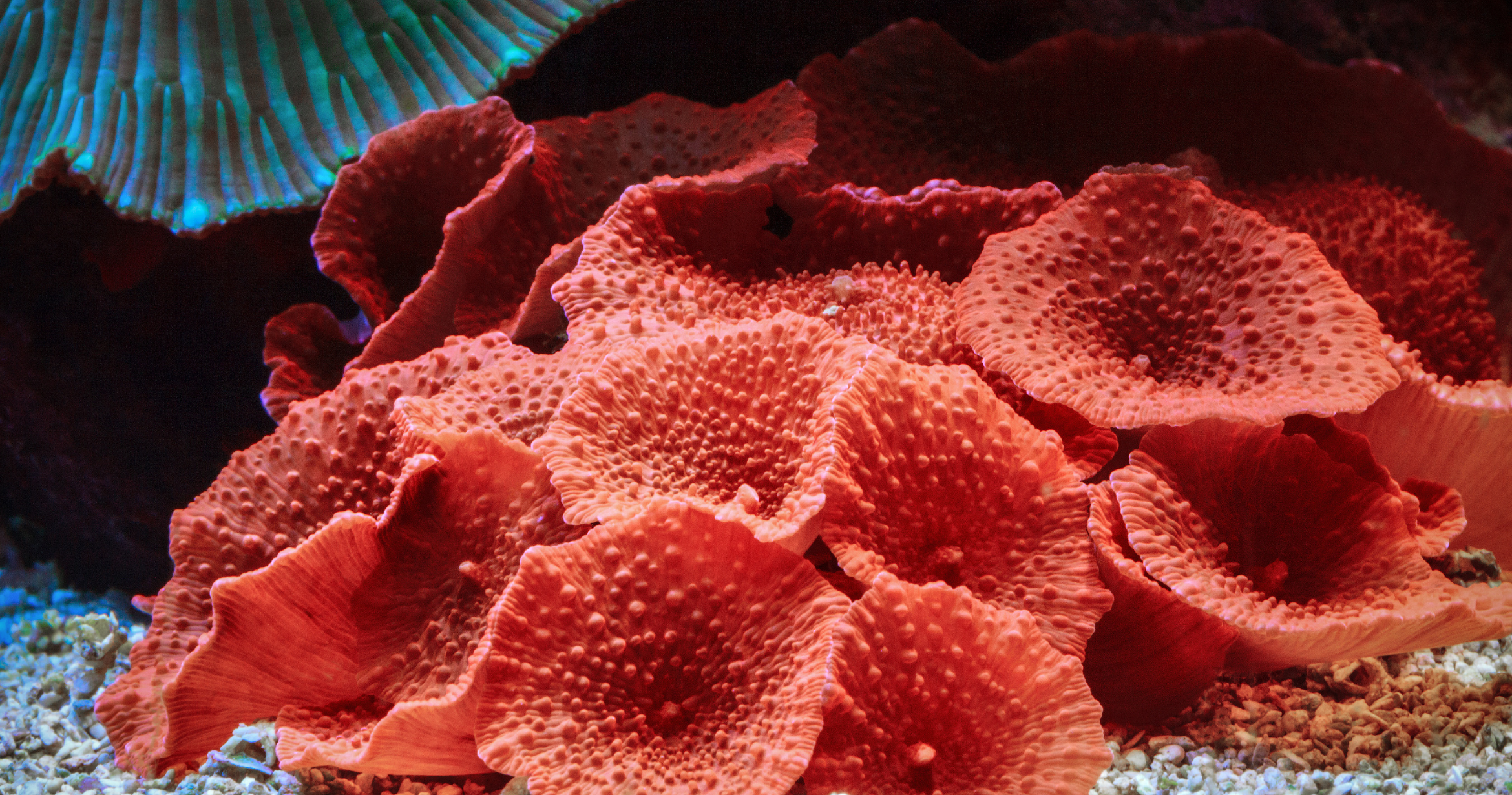

Diving opens the door to breathtaking underwater worlds filled with vibrant coral reefs, fascinating marine life, and pristine blue waters. However, with the growing popularity of diving, the impact on these fragile ecosystems has also increased. As divers, we hold the responsibility to protect and preserve these natural wonders for future generations with eco-conscious diving.
Sustainable diving isn’t just a trend — it’s a necessity. By adopting eco-friendly practices and supporting responsible tourism, we can minimize our environmental impact and contribute to healthier oceans.
Whether you’re a seasoned diver or just starting, these practical tips will guide you in making a positive difference while enjoying the underwater beauty you love.
1. Choose Eco-Certified Dive Centers
The diving industry plays a big role in tourism, with millions of people exploring underwater worlds every year. However, studies show that diving can harm coral reefs, with 88% of coral damage caused by human activities like careless diving.
Choosing an eco-certified dive center is one of the best ways you can support responsible diving and reduce your impact on marine ecosystems.
When planning your trip, take time to research your dive center. Look for ones certified by organizations like Green Fins, which help dive operators follow eco-friendly practices. These dive centers often train their staff to minimize harm to marine life and focus on sustainability.
Don’t hesitate to ask questions. For example, you can ask how they manage waste, protect coral reefs, or educate divers about marine life. A responsible dive center will be happy to share their efforts. Picking a dive operator that values the environment ensures you’re helping to protect the underwater world while enjoying its beauty.
2. Use Reef-Safe Sunscreen
Every year, around 14,000 tons of sunscreen wash into the ocean. Many of these sunscreens contain harmful chemicals like oxybenzone. These chemicals can damage coral reefs, cause bleaching, and harm marine life. If you want to enjoy an eco-friendly dive, start by switching to reef-safe sunscreen.
Reef-safe sunscreens use natural ingredients that don’t harm the ocean. Using these products is a simple way to support marine conservation. Some dive sites now ban regular sunscreen to protect their reefs.
You can also take part in this initiative by using alternatives like wearing UV-protective clothing. Small actions like this add to larger conservation efforts to protect marine ecosystems. Making mindful choices before you dive helps keep the ocean healthy for everyone.
3. Maintain Buoyancy Control
Poor buoyancy control is one of the biggest causes of coral reef damage. Studies show that inexperienced divers can break or harm coral, leaving lasting effects on underwater ecosystems. While scuba diving, you must maintain proper buoyancy to avoid touching or damaging marine life.
Practicing it makes your dives smoother and safer for the environment. Many eco-friendly dive centers offer buoyancy training to help you master this skill. These centers focus on sustainable practices that protect fragile ecosystems.
By improving your buoyancy, you reduce your impact on coral reefs and marine life. This small effort also supports the goals of diving tourism to keep underwater worlds beautiful and healthy for future visitors.
4. Avoid Touching Marine Life
Sea life is delicate and can get stressed or injured when touched. Research shows that touching corals or animals can spread harmful bacteria and damage their natural defenses. You should always keep your hands to yourself while diving to protect the marine environment.
The Professional Association of Diving Instructors (PADI) teaches that even a small touch can harm corals or scare marine animals. By keeping a safe distance, you allow sea life to thrive without interference.
Making this small change helps create a positive impact on the ocean. Following eco guidelines like this protects marine ecosystems and keeps them healthy for years to come.
5. Minimize Single-Use Plastics
Each year, over 8 million tons of plastic end up in the ocean. This pollution destroys marine habitats and harms wildlife. You can reduce this problem by avoiding single-use plastics during your diving experience.
Bring a reusable water bottle, straw, and shopping bag when you travel. This simple habit helps you live more environmentally while protecting the ocean. Local communities near dive sites often struggle with plastic waste, so reducing your use can make a real difference.
You can also join a clean-up dive to remove trash from the ocean. These dives build environmental awareness and help restore habitats for sea life. Small actions like these make diving more eco-friendly for everyone.
6. Respect Local Rules and Guidelines
Over 60% of the world’s coral reefs are under threat due to human activity. Local rules at dive sites are designed to protect these fragile ecosystems and promote environmental conservation. You should follow these guidelines to help keep the ocean safe.
Learn about the local diving practices before you enter the water. Many areas have specific rules to protect the ocean’s biodiversity, such as no-touch zones or limits on the number of divers. By respecting these rules, you help preserve the natural balance of sea life.
Adopt sustainable habits like avoiding anchoring on coral or disturbing marine creatures. These small changes make a positive impact on the ecosystem. Many dive locations also have conservation initiatives to protect reefs, which you can support by embracing eco-friendly diving practices.
7. Support Marine Conservation Programs
Around 25% of marine species depend on coral reefs, but these ecosystems are disappearing quickly. Supporting conservation projects can help protect these vital habitats. Many diving destinations run programs to restore coral reefs and protect sea life.
You can join local conservation efforts like reef restoration or beach cleanups. These programs rely on scuba divers to help repair damaged reefs and remove harmful waste. By participating, you learn diving techniques that promote sustainable diving and help save marine ecosystems.
Look for centers for diving that include conservation activities in their practices within their regular trips. Supporting these efforts helps preserve the beauty of the ocean and ensures future generations can enjoy it.
8. Use Energy-Efficient Equipment
The diving industry uses a lot of energy, especially during boat diving trips. Boats with inefficient engines release carbon emissions that harm the ocean. You can support sustainable practices by choosing energy-efficient equipment and eco-friendly dive boats.
Modern dive gear is designed to last longer and use less energy. Using this equipment can reduce waste and make a positive impact on the environment. Some gear brands also support coral restoration projects, helping protect reefs while you dive.
When you travel to dive, choose operators that run fuel-efficient boats and prioritize diverse marine conservation efforts. This ensures your trip avoids damaging fragile ecosystems. Many eco-friendly centers also involve divers in citizen science projects to monitor sea life and improve conservation. Small choices like these keep the ocean healthier for all.
9. Practice “Leave No Trace”
Around 80% of ocean pollution comes from land-based waste. This pollution harms unique marine ecosystems and makes it harder for sea life to survive. You can adopt sustainable practices by leaving no trace during your diving trips.
Always carry out all your trash and avoid leaving anything behind, even small items like wrappers or bottles. Proper waste management is key to protecting the ocean. When diving in marine protected areas, follow strict rules to avoid disturbing these fragile environments.
You can also join initiatives like underwater cleanups, which bring together divers and non-divers to remove trash from the sea. These efforts connect you to a global community working to protect the ocean. Every small action helps preserve sea life and keeps the ocean beautiful.
10. Spread Awareness
Around 50% of corals have already been lost, and awareness is key to protecting what remains. You can make a difference by sharing your knowledge about responsible practices with others. Talk about how small actions can protect underwater landscapes and sea life.
Encourage your friends to take certification programs that focus on environmental sustainability. These programs teach best practices for safe and environmentally conscious dive trips. You can also share information about reef conservation efforts and restoration efforts to inspire others.
Use social media to highlight the beauty of the ocean and the importance of responsible diving. Show how adopting eco-friendly habits saves sea life and supports sustainable tourism. Every story you share helps build a community that cares for the ocean.
Conclusion
Sustainable diving is about protecting the beauty of our oceans while enjoying unforgettable experiences. By following these tips, you can help preserve sea life and support eco-conscious tourism.
At Spirit Liveaboards, we specialize in luxury diving adventures in the Maldives and Fiji. Our expert guides and eco-friendly approach ensure you explore the best dive sites while prioritizing safety and environmental care. With personalized service, high-end yachts, and a commitment to sustainability, we offer an unparalleled diving experience.
Join us for a journey that combines adventure, comfort, and respect for the ocean. Let’s dive responsibly and create a positive impression together.
FAQs
Why is sustainable diving important?
Sustainable diving ensures that marine ecosystems remain healthy and intact for future generations. By practicing eco-conscious habits, divers can minimize their impact on delicate underwater environments.
How can I prepare for an eco-friendly dive trip?
Choose operators and liveaboards that follow sustainable practices, pack eco-friendly products (reef-safe sunscreen, reusable water bottles), and educate yourself on marine conservation before diving.
What is reef-safe sunscreen, and why is it important?
Reef-safe sunscreen is free of harmful chemicals like oxybenzone and octinoxate, which can damage coral reefs. Using reef-safe sunscreen helps protect marine life from these toxic substances.
How can I avoid damaging coral reefs while diving?
Maintain good buoyancy control to avoid accidentally touching or kicking the reef. Stay a safe distance away and never rest on or grab corals, as even a light touch can harm them.
Can I take souvenirs like shells or coral from a dive site?
No, taking shells, coral, or marine life disrupts the ecosystem. Leave everything as you find it to preserve the natural balance and beauty of the underwater world.
How do I choose a sustainable dive operator?
Look for operators who prioritize eco-friendly practices, such as minimizing waste, using fuel-efficient boats, supporting marine conservation, and educating divers about sustainability.
Does my diving gear choice impact sustainability?
Yes, investing in high-quality, durable dive gear reduces waste in the long run. Additionally, ensure your gear is properly maintained to avoid leaks or damages that could harm the environment.
What can I do to contribute to ocean conservation?
Participate in beach or underwater cleanups, support marine conservation organizations, and advocate for sustainable practices among fellow divers. Educating yourself and others also goes a long way.
Is it okay to feed fish or marine animals while diving?
No, feeding marine life disrupts their natural feeding behaviors and can harm the ecosystem. Observe animals from a distance and avoid altering their natural environment.
Can sustainable diving make a difference?
Absolutely. Every small action adds up. By practicing sustainable diving habits, you help protect marine ecosystems, raise awareness, and inspire others to do the same.


Leave your comment: