


Many people assume that diving in shallow water is always safer than going deep, but that’s not always the case. While depth diving has its own risks, staying near the surface can also be dangerous if you aren’t aware of the potential hazards. One of the biggest threats is shallow water blackout, a sudden loss of consciousness caused by low oxygen levels. Other risks, like buoyancy issues and environmental factors, can also make these dives tricky.
In this article, we’ll explore what depth is considered safe for diving, the dangers of staying too close to the surface, and how to prevent accidents. Whether you’re a scuba diver, freediver, or snorkeler, understanding how depth affects safety is key to a successful and enjoyable dive.
What Is Considered “Shallow Water” in Diving?
Shallow water means different things in different types of diving. The depth that is safe or risky depends on how you dive. Below is a breakdown of depths in different diving contexts.
| Type of Diving | Depth Considered Shallow | Why It Matters |
|---|---|---|
| Scuba Diving | 0 – 33 feet (0 – 10 meters) | You use less O2, but buoyancy changes faster near the surface. Safety stops usually happen at 15 feet (5 meters). |
| Freediving | 0 – 20 feet (0 – 6 meters) | You may hold your breath longer here, but shallow water blackout can still happen if you don’t manage oxygen levels. |
| Snorkeling | 0 – 10 feet (0 – 3 meters) | You mostly stay near the surface, but diving a few feet underwater can affect your breath-holding ability. |
The Dangers of Shallow Water Diving
Many people think depth dives are more dangerous than shallow ones. But shallow has risks too. You can lose consciousness, struggle with buoyancy, or face strong currents. If you don’t know these risks, accidents can happen fast.
1. Shallow Water Blackout: Causes, Symptoms, and Prevention
Shallow water blackout happens when you hold your breath too long. Your brain doesn’t get enough oxygen, and you lose consciousness without warning. This can happen at the end of the dive when your oxygen drops quickly.
One reason for the shallow blackout is hyperventilation before a dive. You may think it helps, but it lowers your carbon dioxide level. This stops your body from telling you when to breathe. You may blackout before you even feel the urge to surface.
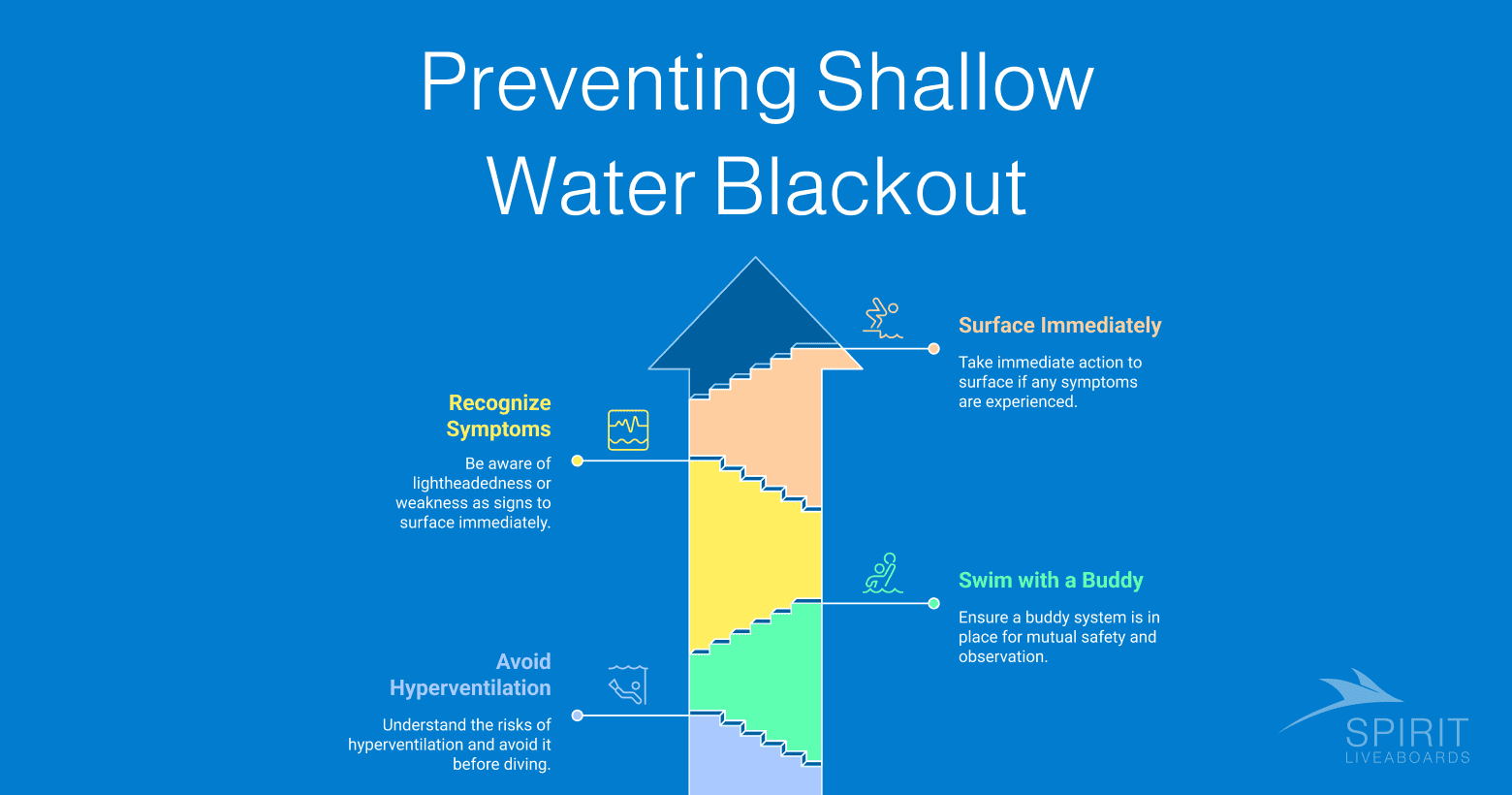
To prevent this, never hyperventilate before a dive. Always swim with a buddy who watches for signs of distress. If you feel lightheaded or weak, surface immediately.
2. Hypoxic Risks: How Low Oxygen Levels Impact Divers
When you hold your breath too long, your oxygen drops. This makes you hypoxic, which can lead to dizziness, confusion, or blackout. If you don’t get O2 in time, you lose control and sink.
Freedivers and snorkelers face this risk the most. You may not find anything wrong until it’s too late. The best way to stay safe is to always dive with a partner. Join a safety course to learn proper breathing techniques.
3. Buoyancy Issues: How Rapid Ascent in Shallow Water Can Be Dangerous
Buoyancy changes faster in the shallow than in deep water. If you rise too quickly, you can lose control. This can make you float to the surface when you don’t expect it.
For scuba divers, this is a big problem. If you don’t control your ascent, you can damage your lungs. In open water, rapid ascent can also make it harder to stay with your dive group. Always perform slow, controlled movements to stay safe.
4. Environmental Hazards: Waves, Currents, and Underwater Obstacles
Shallow water is not always calm. Waves and currents can push you in different directions. If you don’t pay attention, you can drift away or hit something underwater.
Rocks, coral, and boats are common obstacles. If you don’t read the water conditions before diving, you may swim into a dangerous area. Always check the conditions and plan your entry and exit points.
Some also have red flags, which warn about strong currents or rough conditions. If you see one, don’t dive there. Check the area first and stay in safe zones.
Shallow sea may seem easy, but it has its own risks. Knowing these dangers helps you stay safe and enjoy your dive.
Comparing Shallow vs. Deep Diving Risks
Both shallow and deep diving have risks. Many people question which one is safer, but the answer depends on several factors. Deep dives are often seen as more dangerous because of pressure changes and oxygen use. But staying near the surface has its own challenges, like blackout and buoyancy shifts.
You need careful planning. Please remember that knowing the risks at different depths helps you stay safe and enjoy your dive.
| Factor | Shallow Diving | Deep Diving |
|---|---|---|
| Pressure Changes | Rapid changes near the surface affect buoyancy quickly. | Increases gradually but can cause decompression sickness if not managed properly. |
| Oxygen Use | You use O2 more slowly, but holding your breath too long can lead to shallow blackout. | Higher pressure makes you consume O2 faster, shortening dive time. |
| Blackout Risks | More common due to breath-holding and lower carbon dioxide levels. | This can happen if O2 supply is lost, but less likely with proper equipment. |
| Urge to Breathe | Can be delayed if you hyperventilate, increasing blackout risk. | Usually triggered sooner due to higher oxygen use at depth. |
| Breathing Techniques | Avoid hyperventilating before a dive. Inhale calmly and ascend slowly. | Use controlled breathing to manage O2 supply and prevent nitrogen buildup. |
| Dive Planning | Check for currents, obstacles, and buoyancy shifts. Stay aware of blackout risks. | Decompression stops, O2 consumption, and nitrogen exposure. |
| Time Limit | No strict limit, but staying too long increases risk of fatigue and blackout. | Often limited to about an hour due to O2 supply and nitrogen absorption. |
| Training Needs | Basic knowledge is needed, but formal training helps reduce risks. | Advanced training is required to secure greater depths. |
| Dive Site | Usually closer to shore with natural light and easy access. | Often farther from shore with lower visibility and more complex navigation. |
How to Avoid Shallow Water Blackout and Other Risks
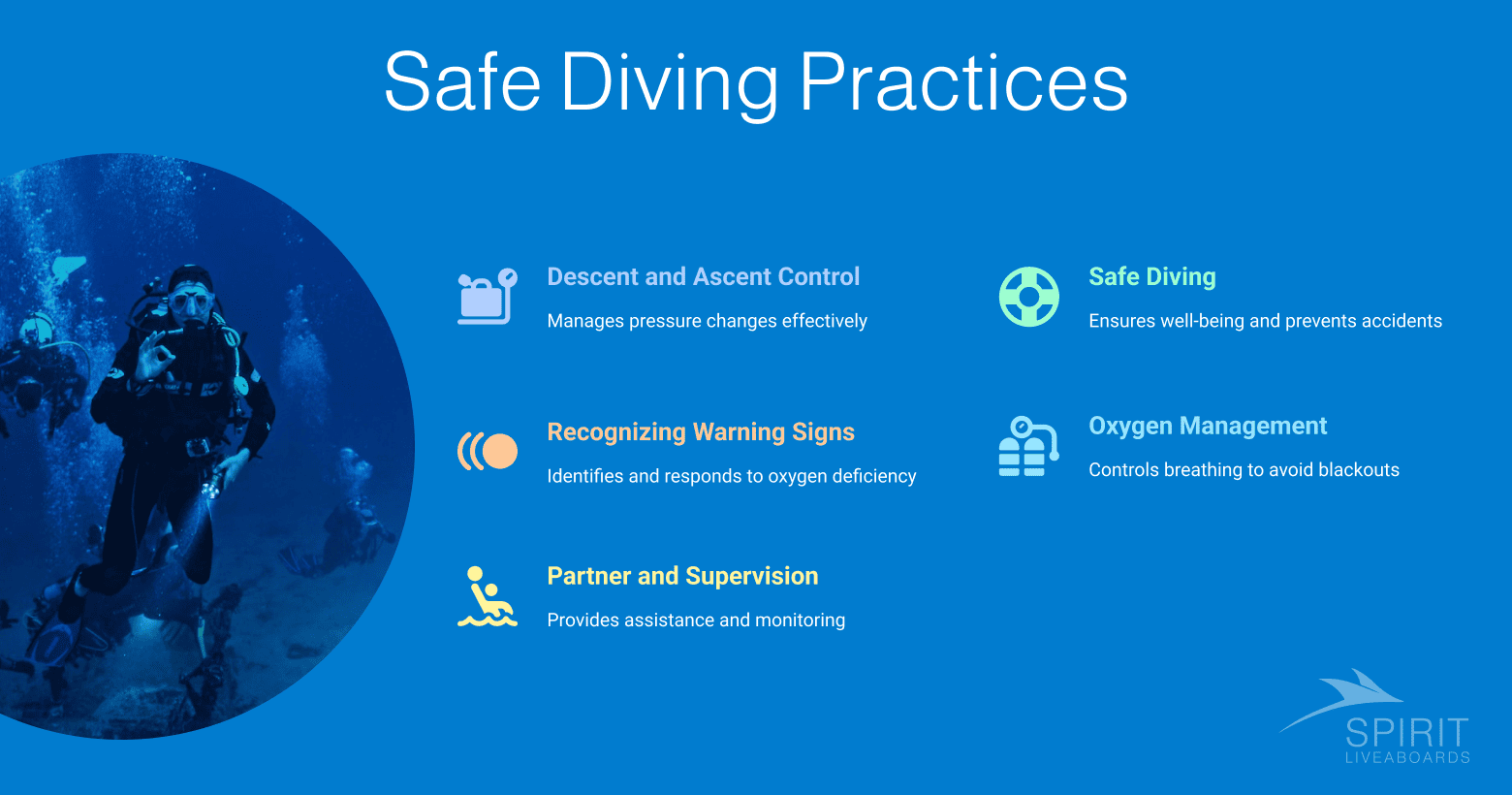
Diving near the top of the water may seem easy, but risks can still occur if you don’t follow the right steps. One major concern is losing consciousness due to low oxygen. Other dangers include rising too fast, not recognizing early warning signs, and going underwater without a partner.
To stay prepared, focus on proper air control, controlled movement, and recognizing signals that something is wrong. Here’s what you need to know.
Proper Air Control (Avoiding Hyperventilation)
Many people think fast inhales and exhales before going under help them stay below longer. But this lowers CO2, which delays the body’s natural response to take in air. This can increase the risk of blacking out without warning.
Instead, take slow, steady inhales before going under. Keep a relaxed pace, and never push past a comfortable time limit. If using a tank, always check how much remains to avoid running out unexpectedly.
Controlled Descent and Ascent
Dropping too fast can create pressure issues in the ears and sinuses. Rising too quickly can cause lung expansion, leading to serious problems.
Always go down at a steady rate, adjusting for pressure changes as needed. When coming up, slow down, especially in the last 15 or 20 before reaching open O2. If using equipment, a pause around this depth allows time for gas adjustments before exiting. If diving without gear, avoid pushing past 30 feet unless properly trained.
Recognizing Low Oxygen Warning Signs
Lack of oxygen can cause dizziness, blurred vision, or sudden loss of awareness. Some people may also experience a strong sense of calm right before passing out. Since this condition often occurs without warning, recognizing these changes early is key.
Other signals include unexpected muscle weakness, confusion, or struggling to move properly. If any of these arise, get to an area with open O2 immediately. Losing control underwater could lead to sinking toward the bottom, making recovery more difficult.
The Importance of a Partner and Supervision
Never go under alone. Whether relying on a tank or holding your breath, always have someone nearby to assist if needed. A companion can help if an issue arises, whether it’s running low on O2, losing awareness, or getting caught in currents.
Good supervision is especially important in areas with strong water movement or if diving beyond a 40-foot pool. Before getting in, always mention your dive details to someone. Knowing that another person is watching can make a critical difference if something goes wrong.
Conclusion
Diving at any depth comes with risks, but knowing how to manage them makes the experience better and more enjoyable. Whether you’re holding your breath or using a tank, understanding how oxygen works, controlling your movements, and diving with a partner help you stay prepared. The thrill of being inside the water is unmatched, but staying aware ensures every dive is safe.
If you’re looking for expert-led diving in the Maldives or Fiji, Spirit Liveaboards offers a top-tier experience. With spacious yachts, personalized service, and expert guides, they take care of everything — so you can focus on the dive. Whether you’re testing your breath hold or exploring reefs at any length, they provide the right conditions for a better experience. If you love the ocean and all the amazing stuff it offers, it’s time to dive with the best. Welcome to scuba board — your next adventure starts with Spirit Liveaboards!
FAQs
Can you stay underwater too long even if you’re not very far down?
Yes, staying below for an extended period can still affect your body. Even at a moderate depth, your body absorbs gases from the surroundings, and staying too long increases the risk of imbalances. If you don’t manage your time wisely, it can lead to issues when returning to open space.
Why do some people lose consciousness before reaching open air?
This can occur when someone holds their breath for too long without recognizing the body’s warning signs. When the brain doesn’t get what it needs, it shuts down without warning. This is why it’s important to train properly and never stay underwater beyond a safe duration.
How does water temperature affect time spent below?
Colder water makes your body work harder to stay warm. This increases energy use and shortens how long you can remain submerged comfortably. If the temperature is too low, muscles can tighten, making movement harder. Wearing proper thermal protection helps maintain normal function.
Is it safe to go underwater after a long flight?
No, flying before submersion can cause problems. Changes in cabin pressure during a flight can affect the gases in your body. If you go below too soon after landing, these gases may not adjust properly, leading to complications. Waiting at least 24 hours before entering the water helps prevent issues.
How does saltwater compare to freshwater when it comes to movement?
Saltwater is denser, which makes floating easier, while freshwater provides less support. This difference affects movement and control. If you switch between the two, you may need to adjust how much weight you carry to maintain proper balance undersea.
Can being too close to the bottom cause any risks?
Yes, staying too low can stir up sediment, reducing visibility and making navigation difficult. Some areas may also have hidden obstacles, marine life, or strong water movements near the bottom that could cause unexpected challenges. Staying aware of your surroundings is key to avoiding hazards.
What should you do if you get dizzy or disoriented while undersea?
If you suddenly find yourself off balance or lightheaded, stop moving and focus on slow, controlled inhales. Signal your partner if possible and return to a safer area. Ignoring these signs can lead to serious risks, so always listen to your body and respond quickly.


Leave your comment: