


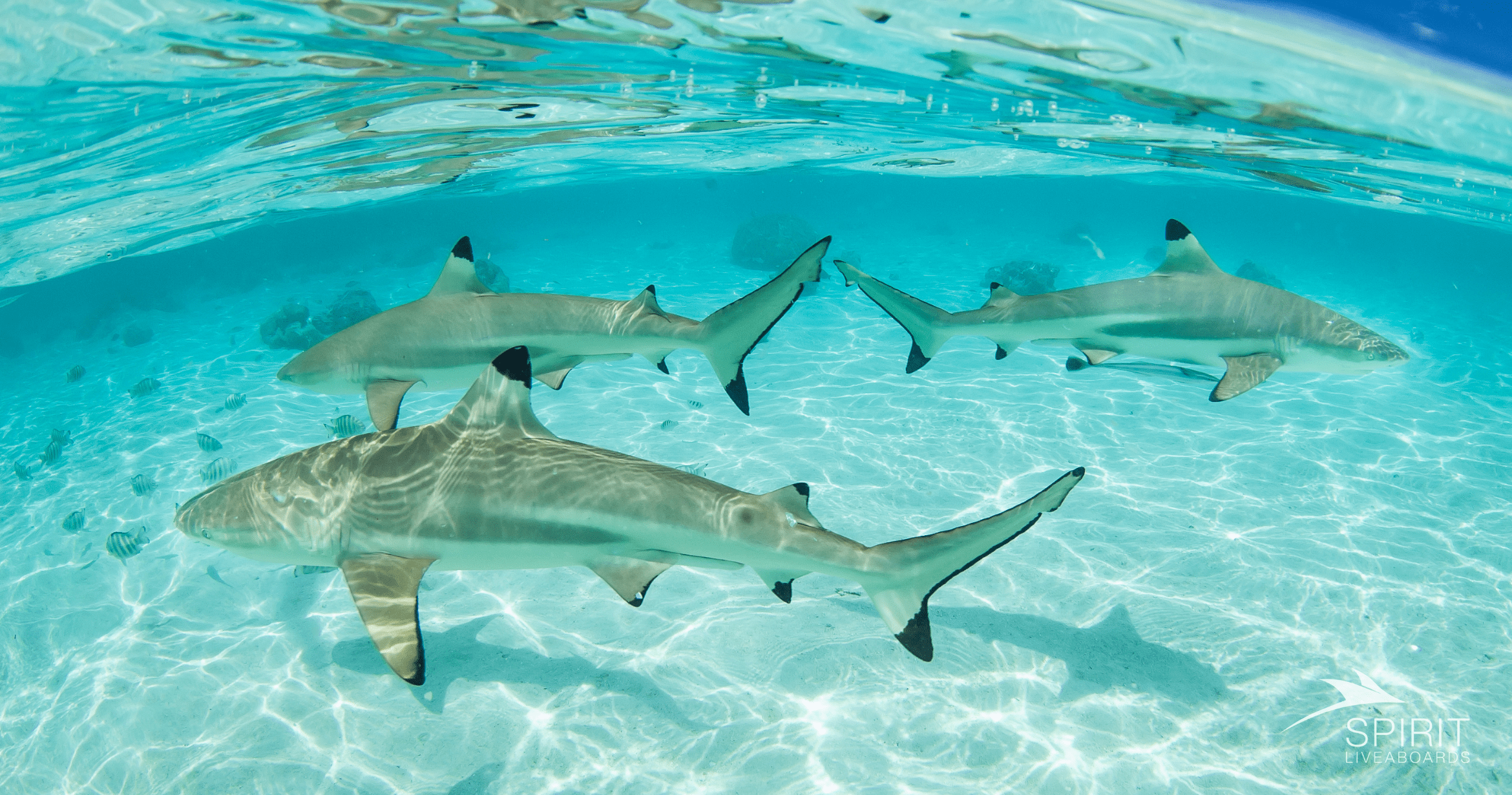

Shark cleaning stations are like underwater spas. At these spots, small fish gather to clean sharks. They remove parasites and dead skin from the shark’s body. This helps the sharks stay healthy.
You can find these stations in the warm waters of the Maldives and Fiji. These areas are famous for their rich marine life. Sharks visit these spots regularly for their cleaning sessions. If you dive here, you can watch this amazing behavior up close.
What is a Cleaning Station?
A cleaning station is a special spot on a coral reef where marine animals, like sharks, go to get cleaned by smaller fish or shrimp. These cleaner fish remove parasites, dead skin, and debris from the shark’s body, mouth, and even gills. It’s a natural process that helps sharks stay healthy while providing the cleaner fish with a meal. This fascinating interaction shows how different species in the ocean work together to survive.
5 Reasons Why Divers Love Cleaning Stations
1. The Peaceful Interaction
At cleaning stations, you can see sharks and cleaner fish working together in perfect harmony. Sharks, which are often seen as fierce predators, become calm and gentle during these moments. They allow the cleaner fish to swim all over their bodies, even inside their mouths and gills. This peaceful interaction shows how animals in the ocean rely on each other to stay healthy.
2. Close Encounters with Sharks
Cleaning stations give you a rare chance to observe sharks up close in a safe and natural way. Sharks are usually relaxed and not aggressive while they are being cleaned. This makes it easier for you to appreciate their size, graceful movements, and unique features. It’s an experience that can change how you see these incredible animals.
3. A Unique Underwater Behavior
Watching sharks at cleaning stations lets you witness a fascinating part of marine life that many people never get to see. You see how sharks approach the station, signal for cleaning, and let the small fish do their work. It’s a perfect example of cooperation in nature, and every moment feels like a small miracle happening in front of your eyes.
4. Perfect for Photography
If you enjoy underwater photography, cleaning stations are a dream location. Sharks at these stations stay still or move slowly, giving you plenty of time to compose your shots. You can capture stunning photos of sharks surrounded by colorful reefs and cleaner fish. These moments are not only beautiful but also tell a unique story about life in the ocean.
5. An Unforgettable Experience
Diving at cleaning stations creates memories that will stay with you forever. Seeing sharks behave in such a calm and cooperative way is something truly special. It makes you feel connected to the ocean and its creatures in a way few other experiences can. For many divers, it’s one of the highlights of their underwater adventures
How do Cleaning Stations work?
Cleaning stations are not just helpful for sharks; they benefit cleaner fish too. Sharks get rid of parasites and dead skin, which keeps them healthy. Cleaner fish, on the other hand, get an easy meal by eating the debris off the shark’s body. This teamwork shows how different species can help each other in the ocean.
Here’s how the process works:
- Sharks Visit Cleaning Stations: Sharks swim to specific areas on coral reefs, called cleaning stations. These spots are home to small fish like wrasses or shrimp that specialize in cleaning. Sharks know where to find these stations and return to them often when they need cleaning.
- Sharks Signal They Need Cleaning: When a shark reaches the cleaning station, it slows down and positions itself carefully. Sometimes, it hovers still in the water or adopts a certain posture, like opening its mouth or spreading its gills. This signals to the cleaner fish that the shark is ready for cleaning.
- Cleaner Fish Begin Cleaning: The cleaner fish approach the shark without fear. They nibble on parasites, dead skin, and small debris stuck on the shark’s body. They move across the shark’s sides, fins, mouth, and even inside the gills, working methodically to clean every area.
- The Shark Stays Calm: Sharks remain surprisingly calm during the cleaning session. They don’t hunt or harm the cleaner fish. Instead, they stay still and let the fish work. It’s like the shark understands the importance of this process for its health.
- The Cleaning Ends: Once the cleaner fish finish their work, the shark simply swims away. The cleaner fish return to the station, waiting for the next animal to arrive.
Shark Cleaning Stations in the Maldives
The Maldives is a top destination for witnessing shark cleaning stations. The warm waters, coral reefs, and abundance of marine life make it a perfect location for this unique underwater experience. Here are some popular dive sites and the sharks you’re likely to encounter:
| Dive Site | Location | Shark Species Seen |
|---|---|---|
| Maaya Thila | North Ari Atoll | Grey Reef Sharks, White-tip Reef Sharks |
| Fish Head | North Ari Atoll | Nurse Sharks, Grey Reef Sharks |
| Manta Point | North Malé Atoll | Grey Reef Sharks, occasionally Nurse Sharks |
| Hammerhead Point | Rasdhoo Atoll | Scalloped Hammerhead Sharks, Grey Reef Sharks |
| Kudarah Thila | South Ari Atoll | White-tip Reef Sharks, Grey Reef Sharks |
Shark Species Most Often Seen at Cleaning Stations of the Maldives
- Grey Reef Sharks: These are among the most commonly seen sharks at Maldivian cleaning stations. They are calm and often hover close to coral reefs.
- White-tip Reef Sharks: Known for their sleek bodies and unique white-tipped fins, these sharks are frequent visitors to cleaning stations.
- Nurse Sharks: These gentle giants often rest on sandy bottoms near cleaning stations and come for cleaning when needed.
- Scalloped Hammerhead Sharks: Though rarer, these striking sharks are occasionally seen at specific dive sites like Rasdhoo.
Shark Cleaning Stations in Fiji
Fiji is another incredible destination for exploring shark cleaning stations. Known as the “Soft Coral Capital of the World,” Fiji’s waters are teeming with marine life, including many species of sharks. The country’s reefs and pinnacles are home to several cleaning stations where you can witness these majestic creatures. Here are some popular dive sites and the sharks you’re likely to encounter:
| Dive Site | Location | Shark Species Seen |
|---|---|---|
| Beqa Lagoon | Viti Levu | Bull Sharks, Grey Reef Sharks |
| Namena Marine Reserve | Vanua Levu | White-tip Reef Sharks, Grey Reef Sharks |
| Shark Reef Marine Reserve | Pacific Harbour | Bull Sharks, Lemon Sharks |
| Gotham City | Kadavu | White-tip Reef Sharks, Black-tip Reef Sharks |
| Nigali Passage | Gau Island | Grey Reef Sharks, White-tip Reef Sharks |
Shark Species Most Often Seen at Cleaning Stations
- Bull Sharks: Famous for their powerful presence, these sharks are frequently spotted at cleaning stations, especially in Beqa Lagoon and Shark Reef.
- Grey Reef Sharks: These agile sharks are common in Fijian waters and can often be seen at popular cleaning sites.
- White-tip Reef Sharks: With their distinct white-tipped fins, they are a favorite among divers and frequent visitors to cleaning stations.
- Lemon Sharks: Known for their yellowish coloring, these sharks are occasionally seen at Shark Reef during cleaning sessions.
- Black-tip Reef Sharks: Their black-tipped fins and smaller size make them stand out, especially at sites like Gotham City.
Shark Cleaning Stations in French Polynesia
French Polynesia is a dream destination for divers, offering crystal-clear waters, vibrant coral reefs, and abundant marine life. The islands are home to some of the world’s best shark cleaning stations, where you can witness these magnificent creatures in their natural habitat. Here are some popular dive sites and the sharks you’re likely to encounter:
| Dive Site | Location | Shark Species Seen |
|---|---|---|
| Tiputa Pass | Rangiroa Atoll | Grey Reef Sharks, Black-tip Reef Sharks |
| Fakarava South Pass | Fakarava Atoll | Grey Reef Sharks, Hammerhead Sharks |
| Tikehau Channel | Tikehau Atoll | Black-tip Reef Sharks, Lemon Sharks |
| Shark Observatory | Moorea | Lemon Sharks, Grey Reef Sharks |
| Anau Cleaning Station | Bora Bora | Manta Rays (bonus), Black-tip Reef Sharks |
Shark Species Most Often Seen at Cleaning Stations
- Grey Reef Sharks: These sharks are abundant in French Polynesia and are often seen at major cleaning stations like Tiputa Pass and Fakarava South Pass.
- Black-tip Reef Sharks: Easily recognizable by their striking black-tipped fins, these sharks are common in the shallow waters of French Polynesian reefs.
- Lemon Sharks: With their pale yellow coloring, they are frequently found near cleaning stations at Moorea and Tikehau.
- Hammerhead Sharks: Occasionally seen in deeper waters, especially in Fakarava South Pass, these sharks add an element of awe to the diving experience.
Conclusion
Shark cleaning stations are a must-see for any diver. Watching sharks and cleaner fish interact in perfect harmony is a magical experience that showcases the wonders of marine life. Whether in the Maldives or Fiji, these underwater “spa days” offer unforgettable moments and a deeper appreciation for the ocean’s beauty.
To make your dive adventure truly extraordinary, book with Spirit Liveaboards. We offer luxury diving experiences in the Maldives and Fiji, combining adventure with high-end comfort. Our expert guides ensure you explore the best dive sites, and our yachts provide premium amenities, safety, and personalized service. With Spirit Liveaboards, you’ll experience the ocean like never before.


Leave your comment: