


Drift diving offers a thrilling way to explore vibrant underwater worlds, but it requires the right skills and tools. Using a reef hook allows you to stay secure in strong currents while protecting the delicate marine environment.
This guide will help you master its use for safe and enjoyable dives.
1. Choose the Right Equipment
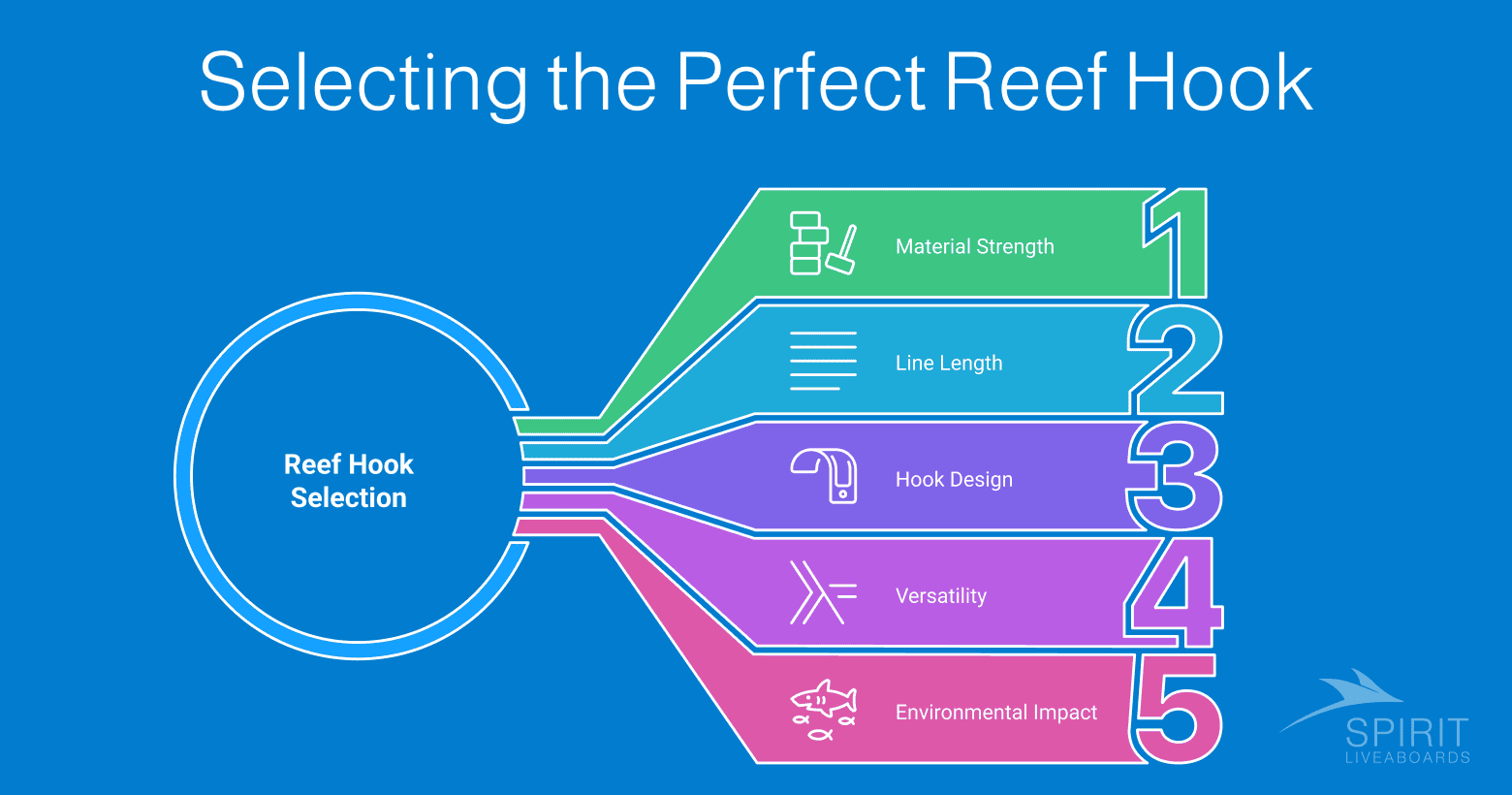
Pick a reef hook made from strong and durable materials. Check that the line attached to the hook is sturdy and reliable.
Look for a reef hook with a length of around 5 feet. This gives you enough room to move comfortably without getting tangled. Make sure the line is not too short or too long for safety.
If you prefer variety, some divers choose cunningham hooks because they are versatile and easy to use. Always select an item designed specifically for reef diving.
Choose a hook with a wide curve at the end. This makes it easier to secure it to a rock or a stable part of the reef. Avoid using the hook on live coral or the soft bottom of the ocean to protect marine life.
2. Inspect Your Gear
Check your reef hook for any signs of damage like rust or cracks. Look closely at the line to make sure it doesn’t have cuts or frayed edges.
Secure the reef hook to your BCD before you start the dive. Use a D-ring or another strong point to keep it within easy reach.
Make sure your gear setup is simple and not too bulky. You should also check that the hook is positioned at the center of your gear for better balance. Double-check everything before you sail into the water.
3. Select a Suitable Location
Look for a solid, non-living part of the reef like a rock or dead coral. Ensure the spot is stable enough to hold your reef hook securely.
Avoid hooking onto live coral or any marine life to prevent causing harm. Treat the reef with care as it plays a special role in the underwater ecosystem.
Choose your location wisely and avoid dragging your gear like a cart over the reef. Always show respect for the environment, and it will reward you with unforgettable moments.
4. Deploy the Reef Hook Safely
Wait until you find the right place in the current to stop. Position yourself so you are stable and ready to anchor.
Hook the reef gently to a secure surface like a rock or dead coral. Avoid forcing or jamming the hook into any spot.
Ensure you attach the hook as carefully as possible to avoid damaging the reef. Stay mindful of your movements to protect the underwater environment.
5. Adjust Your Position
Let the current pull you back gently once you hook onto the reef. Avoid pulling or tugging against the flow of the water.
Inflate your BCD just enough to help you hover comfortably above the reef. This will help you stay steady without touching anything.
With proper buoyancy, you can easily enjoy the dive without harming the reef. Stay aware of your position and movements — thanks for being a responsible diver!
6. Monitor Your Surroundings
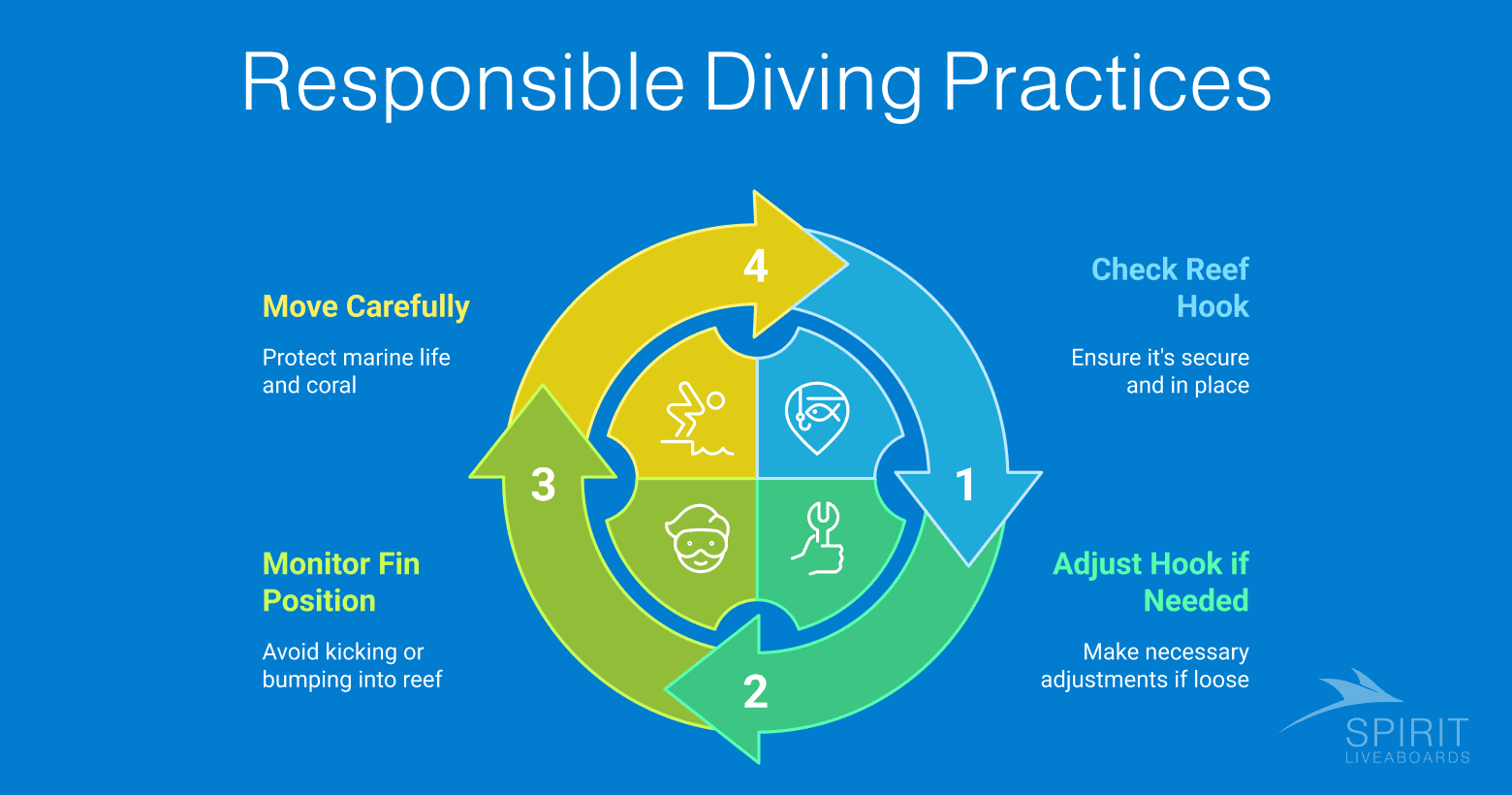
Check your reef hook often to ensure it stays in the right place. Do adjustments if it shifts or becomes loose.
Pay attention to where your fins are while you hover. Avoid kicking or bumping into the reef with your equipment.
Stay aware of your surroundings to prevent accidental contact with marine life or coral. Always move carefully to protect the underwater environment.
7. Detaching the Reef Hook
Deflate your BCD slightly when you are ready to move. This will reduce your lift and it’ll be easier to unhook.
Unhook the reef hook gently without pulling or yanking. Take your time to ensure you don’t disturb the reef.
Secure the hook back onto your gear in its proper position This keeps your setup much better organized and safe for the rest of your dive.
8. Practice Good Buoyancy Control
Keep your buoyancy neutral during the dive to stay steady in the water. Adjust your BCD as needed to avoid rising or sinking too quickly.
Watch your movements to ensure you don’t accidentally touch the reef. Focus on staying balanced and in control at all times.
Practice regularly to improve your buoyancy skills. This helps you protect the reef and enjoy your dive fully.
Conclusion
Mastering the use of a reef hook is essential for safe and responsible drift diving, allowing you to fully enjoy the wonders of the underwater world. For the ultimate diving adventure, trust Spirit Liveaboards to elevate your experience. With luxury yachts, expert guides, and unparalleled knowledge of the Maldives and Fiji, we ensure you explore the best dive sites in style and comfort.
Dive with us for a perfect blend of adventure, safety, and world-class service—your unforgettable journey begins here. Contact us today to plan your dream diving trip!


Leave your comment: