

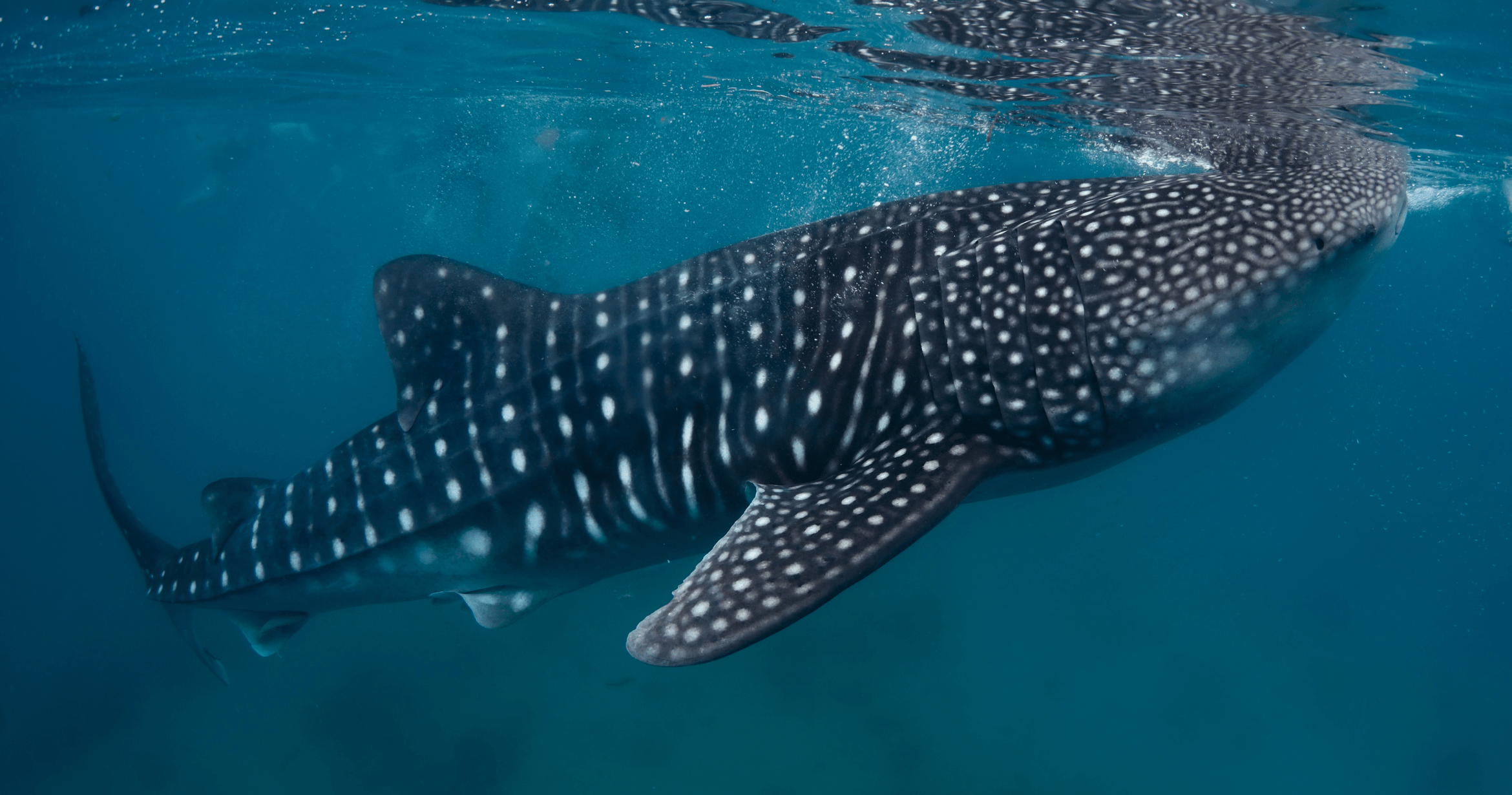

Whale sharks are the biggest fish in the ocean. Even though they are gentle, they face many dangers. Fishing, boat strikes, and careless tourism are some of the main problems. These threats put the species at risk.
You can help protect sharks. One simple way is to choose ethical diving. When you dive the right way, you help with conservation. You support research, local communities, and the protection of these animals.
In this article, you’ll learn how ethical diving makes a real difference.
What is Ethical Diving?
Ethical diving means diving in a way that keeps marine life safe. You follow rules that protect animals like whale sharks. You keep a safe distance. You never touch or chase them. You avoid flash photography. You stay calm and move slowly in the water.
You also choose dive operators who care about the ocean. They teach you how to dive safely. They support local preservation work. Some even collect data to help researchers.
When you dive this way, you don’t harm the species — you help protect them.
How Does Ethical Diving Help in Shark Conversation?
Ethical diving plays a key role in supporting whale shark preservation. By diving responsibly, you reduce harm to these giant creatures and their ecosystem. It also helps raise awareness about their endangered status and the risks they face. When you dive with purpose, you contribute to the long-term protection of these gentle giants.
1. Supporting Conservation Efforts
Ethical diving helps fund local conservation projects. Many dive operators partner with research and conservation organizations to support whale shark preservation. The money you spend on ethical diving tours often goes directly into efforts to monitor and protect whale sharks. This includes tracking their migration, studying their conduct, and protecting their ecosystem from human-induced damage.
2. Protecting Whale Shark Populations
By choosing ethical dive operators, you support the preservation of whale shark populations. These operators follow strict guidelines to ensure that divers do not disturb the sharks or their environment. When divers respect these rules, it reduces the risk of harm, such as accidental injuries from boats or divers. This helps maintain the balance of the population and ensures the species continues to thrive.
3. Reducing Threats to Endangered Species
Whale sharks are classified as endangered, and ethical diving helps reduce some of the biggest threats to their survival. One of the major risks is the illegal fin trade, where sharks are hunted for their fins. Ethical diving raises awareness about this issue and reduces the demand for shark products. By promoting conservation and protecting these animals in their natural environment, divers play a role in reducing these threats.
Discover World-Class Diving in the Maldives
Explore the crystal-clear waters of the Maldives on a luxury liveaboard diving trip. Perfect for all levels, our guided tours take you to the most breathtaking dive sites in the region.
Book Your Dive Tour4. Safeguarding Whale Shark Behavior
When you dive responsibly, you avoid disturbing the natural behavior of whale sharks. They are often seen feeding on plankton or swimming through open waters. Ethical diving ensures that you don’t interfere with their feeding habits or force them to change their natural movement patterns. Respecting their space and behavior helps maintain their health and reduces stress on the animals.
5. Preserving Whale Shark Habitat
Whale sharks rely on specific habitats, such as coral reefs and plankton-rich areas, to survive. Ethical diving minimizes human impact on these delicate ecosystems. When divers avoid touching coral, damaging the ecosystem, or disturbing the marine environment, it helps preserve the natural spaces that whale sharks and other marine creatures need for feeding and breeding.
6. Spotting Whale Sharks in the Galapagos
The Galapagos Islands are a prime location for spotting whale sharks. Ethical diving in the Galapagos supports sustainable tourism practices that benefit the local economy while protecting marine life. Responsible divers follow guidelines that help ensure whale sharks are not disturbed. By visiting these protected areas and supporting eco-friendly operators, you contribute to the preservation of both the sharks and their habitats.
Conclusion
In conclusion, by choosing ethical diving, you help ensure the survival of whale sharks and other marine species, promoting a healthier, more sustainable ocean ecosystem. These actions are crucial in the fight against extinction and the preservation of wildlife around the globe. Diving responsibly not only protects the delicate ecological balance but also reduces the risks of collision, overfishing, and the decline of migratory species.
At Spirit Liveaboards, we are committed to offering luxury diving experiences that align with the best practices for sea life preservation. Our expert guides will take you to the best sites, ensuring you experience the beauty of the Maldives and Fiji while supporting ethical tourism. Join us on a bespoke trip that combines adventure and comfort, and let your journey contribute to the future of marine life. A portion of your trip supports wildlife preservation efforts, with donations directed to important initiatives that protect our oceans.
FAQs
Why should I choose ethical diving over traditional diving?
Ethical diving ensures you enjoy sea life without harming it. It focuses on respecting the environment and creatures like whale sharks. By choosing ethical tours, you contribute to sustainable tourism, helping local ecosystems thrive while enjoying a unique and responsible adventure.
How does ethical diving help local communities?
Ethical diving supports local communities by encouraging eco-friendly tourism. The revenue from these tours helps fund research, improve preservation efforts, and create jobs for local guides and staff. This helps the area maintain its natural beauty while benefiting its people.
Can ethical diving help with whale shark tracking and research?
Yes! Many ethical diving operators work with biologists to collect data on whale sharks. This includes tracking their migratory patterns, habits, and population health. Your dive trip might help gather valuable information that can be used to protect sharks in the future.


Leave your comment: