


Staying balanced and in control underwater isn’t always easy — even with good buoyancy, it can still feel like the body tilts, legs drop, or kicks stir up the bottom. That’s frustrating, especially when it messes with air consumption or visibility.
The good news is — there’s a fix for that. It’s called trim. It helps keep the body level and streamlined, making diving more relaxed, efficient, and fun. And the best part? Anyone can improve it with the right awareness and simple changes.
This guide will explain what trim means in diving, why it matters for buoyancy and control, and how to adjust it for a smoother dive.
What is Trim in Scuba Diving?
Trim is the way your body is positioned in the water while you dive.
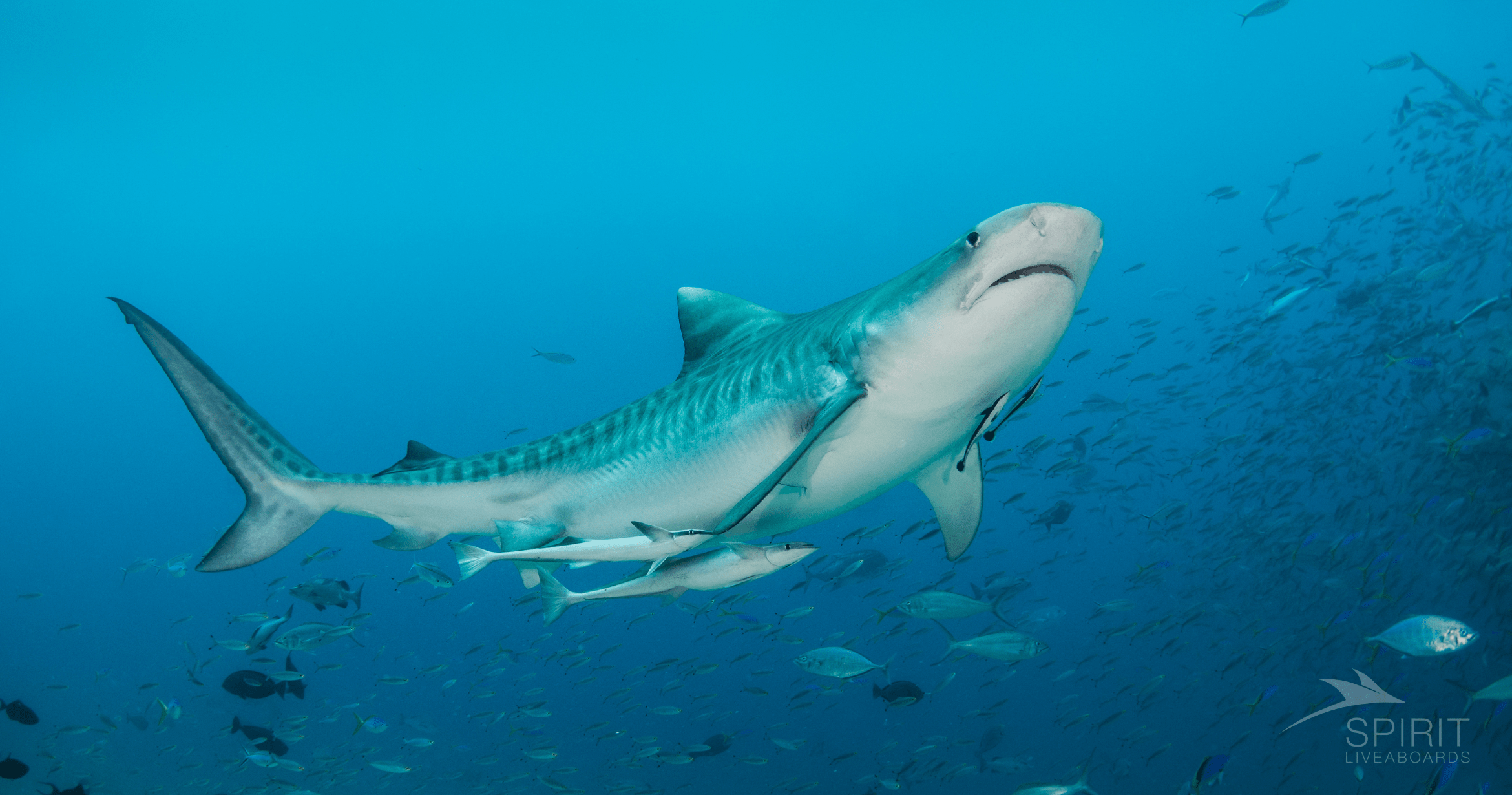
The best trim is when your body is straight and flat — like you’re lying face-down on a bed. Your head, hips, and feet are all in one line. This helps you move through the water smoothly without using too much energy.
It makes it easier to stay at the same depth, move forward without sinking or floating up, and avoid kicking up sand or damaging coral.
Bad trim — like when your feet sink or your body is tilted — can make diving harder, mess up your buoyancy, and make you breathe more air.
Trim in scuba diving is like the balance of an airplane in flight. When a plane is level, it moves smoothly and efficiently — the same goes for a diver. It keeps your body in a steady, flat position, so you glide through the water with control and ease, just like a well-balanced aircraft in the sky
Learning how to keep trim makes diving feel easier, safer, and more fun.
Good trim aids in many ways.
- You use less air: When your body is flat, you glide through the water with less drag. That means you don’t have to kick as hard, and you use up to 20% less air (PADI, 2024).
- It’s easier in strong currents: In places like Fiji’s Bligh Water or the Maldives’ Ari Atoll, currents can be strong. It helps you stay steady and move forward without fighting the water.
- You stay in control: When your body is balanced, you’re less likely to bump into things, stir up sand, or lose your position. That means fewer mistakes and less stress underwater.
How Trim Helps With Buoyancy and Control
Good trim makes buoyancy control easier. When your body stays in a flat, stable shape, you don’t have to fight to stay level. You won’t float up or sink down by mistake, which causes around 30% of decompression issues, according to DAN.
Trim also helps you relax in drift dives. In places like Maaya Thila or Namena, proper trim lets you stay still while the water moves around you. You don’t waste energy trying to hold your place. Divers with say they feel 50% less tired after these dives, reported by Nai’a Liveaboard.
If you want to improve your buoyancy and trim, try placing weights near your hips. This small change helps fix trim 40% faster — a tip shared by Scuba Diving Magazine in 2024.
When your trim is right, you stay in a clean horizontal position. This helps you move with less effort and use less air. It also keeps your fins from stirring up the bottom or hitting coral.
Staying in neutral buoyancy becomes much easier when your trim is right. You’ll need fewer small adjustments with your BCD, and you’ll feel more in control during the dive.
Trim and the Ocean
It helps you — but it also helps the ocean. When your body stays balanced and steady, you don’t kick the reef or stir up sand. Poor trim leads to damage. It clouds the water and breaks coral. Even small mistakes can hurt fragile dive sites.
When you stay in a proper position, you protect visibility and reduce harm to marine life. As Spirit guide Silvia says — “A trim isn’t just about the diver — it’s about the ocean.”
That’s why Spirit Liveaboards teaches trim on every dive. Sites like Maaya Thila need care. One diver with poor trim creates three times more sediment than one with good control. That makes a big difference when diving as a group.
Trim keeps you steady — and keeps the reef safe.
How to Improve Trim
Improving your trim takes time, practice, and the right tools. Even small changes make a big difference underwater. Start with guidance, focus on the basics, and use gear that works for your body. Here’s how to get better at it:
1. Learn From Experts
The fastest way to improve your diving trim is to learn from someone who knows what to look for. Instructors on Spirit Liveaboards offer the PADI Peak Performance Buoyancy course during your trip. This course focuses on fine-tuning your balance, breathing, and position in the water. You’ll get real-time feedback while diving in open water — not just in a pool. About 70% of divers who take this course report feeling more confident and in control underwater. If you’re not sure what’s causing poor trim, an expert can spot it and help you fix it.
2. Practice These Skills
Improving your trim isn’t about doing more — it’s about doing less, but better. Start with your breath. Slow, steady breathing helps with buoyancy control and reduces small movements that throw you off balance. Next, pay attention to your posture. Keep your torso flat and relaxed. Don’t arch your back or stiffen your legs. Practice floating in a horizontal position — aim to stay level with the surface without tilting up or down. Adjust your weights in tiny amounts if you notice your head or legs dropping. Trim is not just about where the weights are, but how you move with them.
3. Use the Right Gear
Your gear setup has a big impact on your trim. A BCD that doesn’t fit well will shift around, making it harder to stay steady. Try different BCDs to find one that fits your body — not just your size. Use trim pockets or an integrated weight system to move weights where they help the most. Many divers find that placing some weights near the hips or tank helps them balance better. Spirit Liveaboards provides quality dive gear, including Shearwater computers, which help you track buoyancy and depth changes more precisely. Good gear helps you stay focused on diving — not fixing your balance every few minutes.
Conclusion
Trim is one of the most important skills in diving. It helps you stay balanced, save air, and enjoy better control underwater. Trim also protects coral and keeps dive sites clear for everyone. With practice, the right gear, and some guidance, you can improve your trim on every dive.
Ready to improve your diving and protect the ocean? Join Spirit Liveaboards — explore world-class dive sites, sharpen your skills, and master perfect trim with expert guidance on every dive.
FAQs
1. Why does my body keep tipping forward or backward during a dive?
This usually means your center of gravity is off. Adjusting your weight pockets or shifting some weight higher or lower can help balance your body position and keep you steady in the water.
2. Can trim affect how much gas I use during a dive?
Yes. Good trim helps you move through the water with less drag. That means less effort, better air use, and more time underwater.
3. Is trim important for sidemount divers too?
Absolutely. In sidemount, keeping horizontal trim and good balance is key. It helps you stay parallel to the surface, move smoothly, and stay safe in tight spaces.
4. How do I know if I’m overweighted?
If you sink fast, need to add lots of amount of air into your bcd or drysuit, or can't stay horizontal in the water, you might be overweighted. A proper weight check in your full exposure suit can help.
5. What’s the best kick style for good trim?
The frog kick is great for staying in a streamlined position without stirring up the bottom. It also supports neutral trim and smooth movement without changing depth.


Leave your comment: