


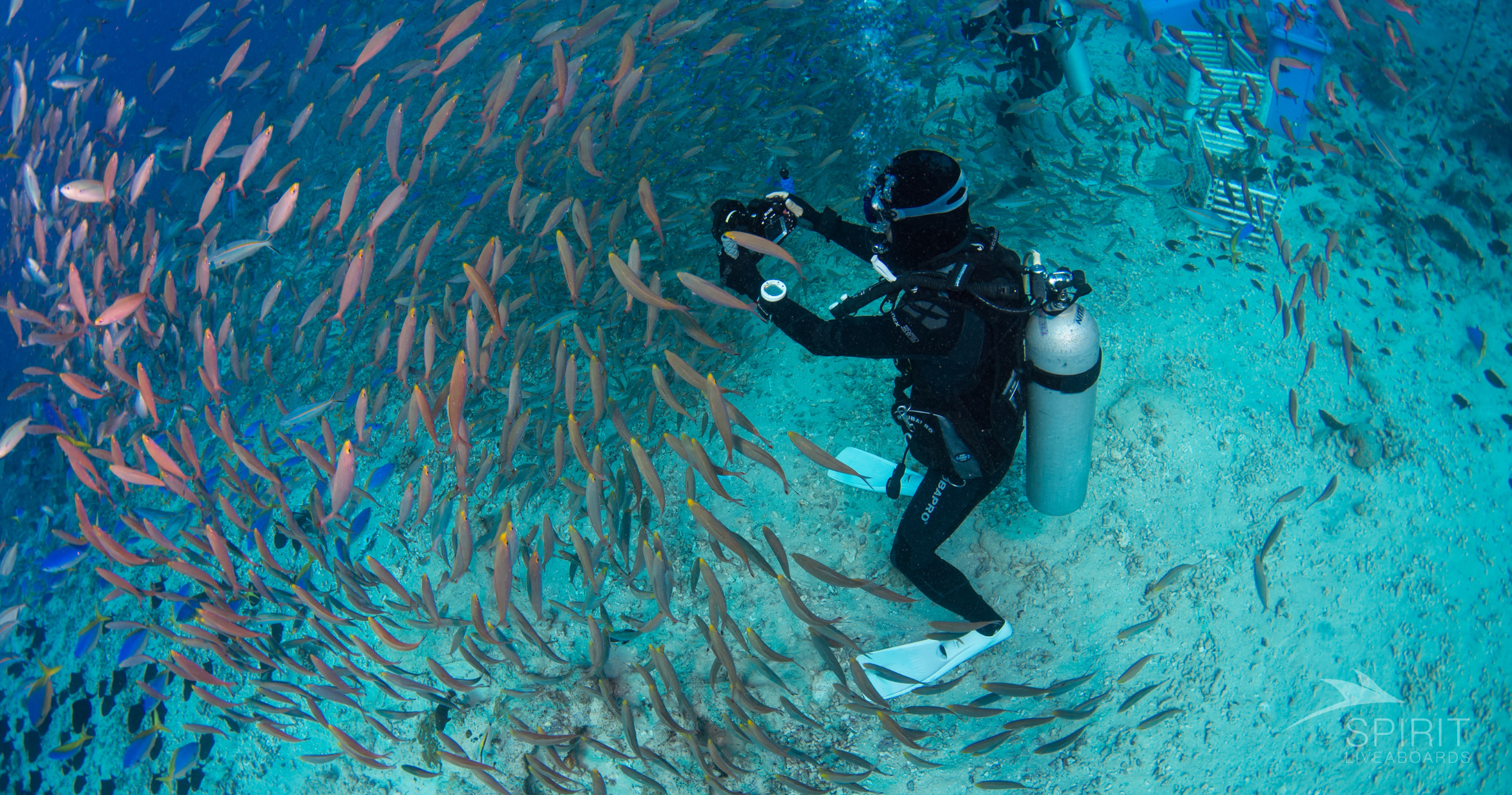

Scuba diving offers an incredible opportunity to explore the wonders of the undersea world, interact with marine life, and experience a sense of weightlessness like no other. Despite its appeal, there are many myths and misconceptions that can deter potential divers. These scuba diving myths often stem from misunderstandings about the sport’s safety, requirements, and costs.
In this article, we will uncover 10 common scuba myths, helping to clarify the reality behind the sport and encourage more people to take the plunge. Whether you’re considering your first dive or have been diving for years, understanding these myths is crucial for a safe and enjoyable diving experience.
1. Diving is Extremely Dangerous
One of the most common scuba diving myths is that diving is a high-risk activity. While every dive carries some risk, scuba diving is actually much safer than many popular activities like mountain climbing or even driving. With proper dive planning, training, and equipment, diving is considered a safe activity.
Diving safety heavily relies on knowing how to use your dive gear, practicing good buoyancy control, and always diving with a buddy. Most diving accidents occur when divers ignore standard safety protocols, but with quality dive training through organizations like PADI or other dive training agencies, risks are significantly reduced.
Recreational dives are designed to stay within safe limits, and the majority of dive injuries are avoidable with training and preparation. As a new or experienced diver, remember to always follow your dive instructor’s advice, stick to your skill level, and keep learning about safety.
2. Sharks Are a Major Threat to Divers
For many people, the fear of sharks is one of the first things they think about when considering scuba diving. Movies and sensational media coverage have perpetuated this myth. In reality, sharks are rarely interested in divers. The international shark attack file shows that shark attacks are incredibly rare, especially on divers.
Sharks play an essential role in marine ecosystems and often avoid human contact. If you’re lucky enough to encounter a shark on a dive, it’s usually a peaceful experience. Shark attacks are more likely to happen to swimmers or surfers at the surface, not scuba divers who spend time underwater.
In fact, many divers seek out sites specifically to observe these majestic creatures up close. Debunking the misconception about sharks can open up a world of adventure for those wanting to enjoy the beauty of the undersea world without fear.
3. You Need to Be an Expert Swimmer to Scuba Dive
Another common misconception about scuba diving is that you need to be a strong swimmer to participate. While basic skills are necessary for safety, you don’t need to be an expert swimmer. In fact, most dive certification programs like the Open Water Diver course only require you to swim about 200 yards nonstop and float for 10 minutes.
Scuba diving relies more on buoyancy control and the use of dive equipment, including fins, dive masks, and a buoyancy control device (BCD), which make movement underwater easy. Your scuba diving course will teach you how to manage these aspects, ensuring you can enjoy it safely even if you’re not an Olympic-level swimmer.
4. You Can Only Dive in Exotic Locations
Many people believe that scuba diving can only be enjoyed in tropical or exotic destinations. While diving in warm waters like the Maldives or the Great Barrier Reef is certainly appealing, it’s a myth that you must travel far to enjoy scuba diving. There are many sites closer to home, from lakes and quarries to rivers and cold-water locations.
Cold water diving, for example, offers unique challenges and beauty. Places like Iceland, Norway, and even local lakes can provide fascinating dive experiences, often featuring wrecks, unique marine life, and clear water. Whether you’re looking for a popular site somewhere nearby or planning an exotic diving vacation, there are sites for every preference.
5. Scuba Tanks Are Filled with Pure Oxygen
This is one of the most dangerous scuba myths. Many people mistakenly believe that scuba tanks are filled with oxygen, but this is not true. Most scuba cylinders contain a mixture of nitrogen and oxygen, typically about 21% oxygen and 79% nitrogen, which is similar to the air we breathe on the surface.
For recreational dives, this mixture, called air, is safe at standard diving depths. Divers use nitrox (a higher concentration of oxygen) in certain situations, but pure oxygen is only used in technical diving or for medical purposes. Understanding the gas mixtures used in diving is essential for safe practices, and this is one of the first things they teach in any training program.
6. Scuba Diving Is Difficult to Learn
Many believe that scuba diving is too difficult or takes a long time to learn. In reality, with training, most people can learn the basics in a matter of days. The PADI Open-Water Diver course, for instance, can be completed in as little as three to four days.
The skills you learn, such as buoyancy control, breathing through a regulator, and using dive gear, are straightforward. Instructors are experienced in helping beginners feel comfortable underwater. By the end of the course, you’ll have the knowledge and skills to dive safely and independently.
7. Asthmatics Can’t Scuba Dive
Asthma is a common health condition, and many people mistakenly believe that having asthma means you can’t scuba dive. However, this is another scuba diving myth. While some severe cases of asthma might restrict diving, many people with asthma can still do it safely after completing a dive medical and receiving proper clearance from a doctor.
Asthmatics should inform their instructor and undergo a fitness-to-dive test, but they don’t need to rule out diving altogether. Modern dive medicine has made it possible for many people with controlled asthma to enjoy diving without added risk. Always consult with a medical professional and be safe within your limits.
8. You Can’t Dive if You’re Claustrophobic
It’s a common myth that claustrophobic people can’t do scuba. While some might feel anxious about the idea of being underwater, the experience of diving is often described as freeing. The weightlessness, open spaces, and beautiful marine life can make diving feel the opposite of claustrophobic.
In fact, many people with claustrophobia find that diving helps them overcome their fears. Dive instructors are trained to help nervous divers, and with proper training and gradual exposure, even those with initial anxiety can learn to enjoy the experience.
9. Scuba Diving Is Only for the Young and Fit
One of the most misconceptions about scuba diving is that it’s an activity only for the young and physically fit. While good health and at least an average fitness level are important, scuba diving can be enjoyed by people of all ages. Many divers start in their 40s, 50s, or even later.
As long as you have basic swimming skills and can comfortably move in water, you can dive. Age is not a barrier, and many training agencies offer courses specifically tailored for older divers. It’s always a good idea to undergo a dive medical, but diving is an active sport that almost anyone can enjoy with the right preparation.
10. You Have to Dive Deep to See Anything Interesting
Many new divers believe that you need to go deep to see the best sea life or underwater landscapes. This is another myth that needs to be debunked. In reality, some of the most interesting sea life, including colorful reef fish, corals, and other creatures, can be found in shallow waters.
Shallow dives are often warmer, more comfortable, and safer for beginners. There’s no need to go deep to experience the beauty of the underwater world. Every dive offers something unique, regardless of depth, and staying within limits ensures a safe and enjoyable experience.
Conclusion
In conclusion, diving is a thrilling and accessible way to explore the beauty of marine ecosystems. By dispelling misunderstandings about the sport, more people can feel empowered to start their journey into the ocean, regardless of their experience or fitness level. With training and the right gear, diving becomes a safe and rewarding activity that offers unique views of aquatic life and stunning underwater landscapes.
If you are looking to combine luxury with adventure, we at Spirit Liveaboards offer the perfect experience. Our specialized dive trips to the Maldives and Fiji are designed to help you discover the best dive sites, guided by experts who know the local waters intimately. Our luxurious yachts are equipped with premium amenities, and we focus on your comfort, safety, and satisfaction, making us the top choice for an unforgettable liveaboard diving trip.
FAQs
1. How long does it take to get scuba certified?
The duration of getting a scuba certification depends on the course and your schedule. Typically, Open Water certification takes 3-4 days to complete, involving online theory, confined water sessions (like in a pool), and open water dives. If you have a tight schedule, some dive centers offer more flexible options or even accelerated courses to get you certified faster. The start of lessons focuses on mastering basic water skills and safety, which are crucial for new divers.
2. What should I bring on my first dive boat trip?
For your first boat trip, bring your gear (or rental equipment), your sunscreen, water, and snacks. Don’t forget your certification card! You should also bring a dive logbook to track your progress and experiences. It’s a good idea to pack light, but ensure you have the essentials, as boats may have limited space. Always check with the dive operator beforehand for specific recommendations.
3. Can I dive with just a snorkel before getting scuba lessons?
While exploring the underwater world is a great way to enjoy the ocean, it is different from scuba diving. Observing sea life from the surface differs from diving, which allows you to fully explore deeper underwater environments. Many people who start with these surface-level activities eventually decide to learn to dive, as it opens up a new level of exploration. However, you cannot dive with just basic equipment — lessons are required to get proper training and certification.
4. Is a swim test required at the start of lessons?
Yes, most certification courses require a swim test at the start. This swim test usually involves swimming 200-300 yards without stopping and treading water for 10 minutes. These basic water skills ensure you are comfortable in the water, which is essential for safe diving. Don’t worry — your instructor will guide you through every step, and many dive centers offer additional practice sessions if needed.
5. Do I need to own my own dive gear to get certified?
No, you do not need to own your own gear when getting certified. Most dive shops offer rental equipment as part of the certification course. However, many divers choose to invest in personal items like masks and fins for comfort and hygiene. As you progress in your diving journey, you may consider purchasing more advanced gear, but it’s not a requirement for beginners.
6. How does scuba diving compare to snorkeling?
Scuba diving allows you to stay underwater longer and explore greater depths, whereas surface-level exploration is limited to staying near the top of the water. Scuba divers use specialized equipment like tanks and regulators, while those at the surface use a breathing tube and mask. Both activities offer a way to enjoy sea life, but diving may provide a more immersive experience, especially in dive sites rich in biodiversity, like coral reefs.
7. What are some common myths about diving safety?
A myth about safety is that it’s only for people in top physical condition. In reality, as long as you have at least an average fitness level and basic swimming skills, you can learn to dive. Another myth is that diving is unsafe for beginners, but with training from certified instructors, diving is one of the safest recreational activities. Safe diving practices, such as diving with a buddy and proper dive planning, further reduce any risks.
8. How can I compare the cost of scuba diving to other activities?
When comparing the cost of scuba diving to other activities, consider that scuba certification is a one-time investment that provides lifelong skills. While the cost of scuba lessons may seem high initially, the price is similar to taking up skiing or golf. Equipment rental, dive boat trips, and international dive vacations can vary in cost, but many dive shops offer packages and deals to make diving more affordable.
9. What role does a dive buddy play in scuba diving?
A buddy is crucial for safer practices. Scuba divers are trained to dive with a buddy, as it provides an extra layer of safety. Your buddy helps with equipment checks, monitors your air supply, and assists in case of any emergencies. Diving with a buddy ensures that you’re not alone underwater.
10. What’s the role of the diving community in your scuba experience?
The community is a valuable resource for learning and growing as a diver. From local shops to global organizations like PADI, the community provides support through dive clubs, online forums, and social events. Joining the community helps you stay informed about new dive sites, participate in conservation efforts, and share experiences with other divers. It’s a great way to enhance your scuba diving journey beyond just the dives themselves.
FAQs
How long does it take to get scuba certified?
The duration of getting a scuba certification depends on the course and your schedule. Typically, Open Water certification takes 3-4 days to complete, involving online theory, confined water sessions (like in a pool), and open water dives. If you have a tight schedule, some dive centers offer more flexible options or even accelerated courses to get you certified faster. The start of lessons focuses on mastering basic water skills and safety, which are crucial for new divers.


Leave your comment: