

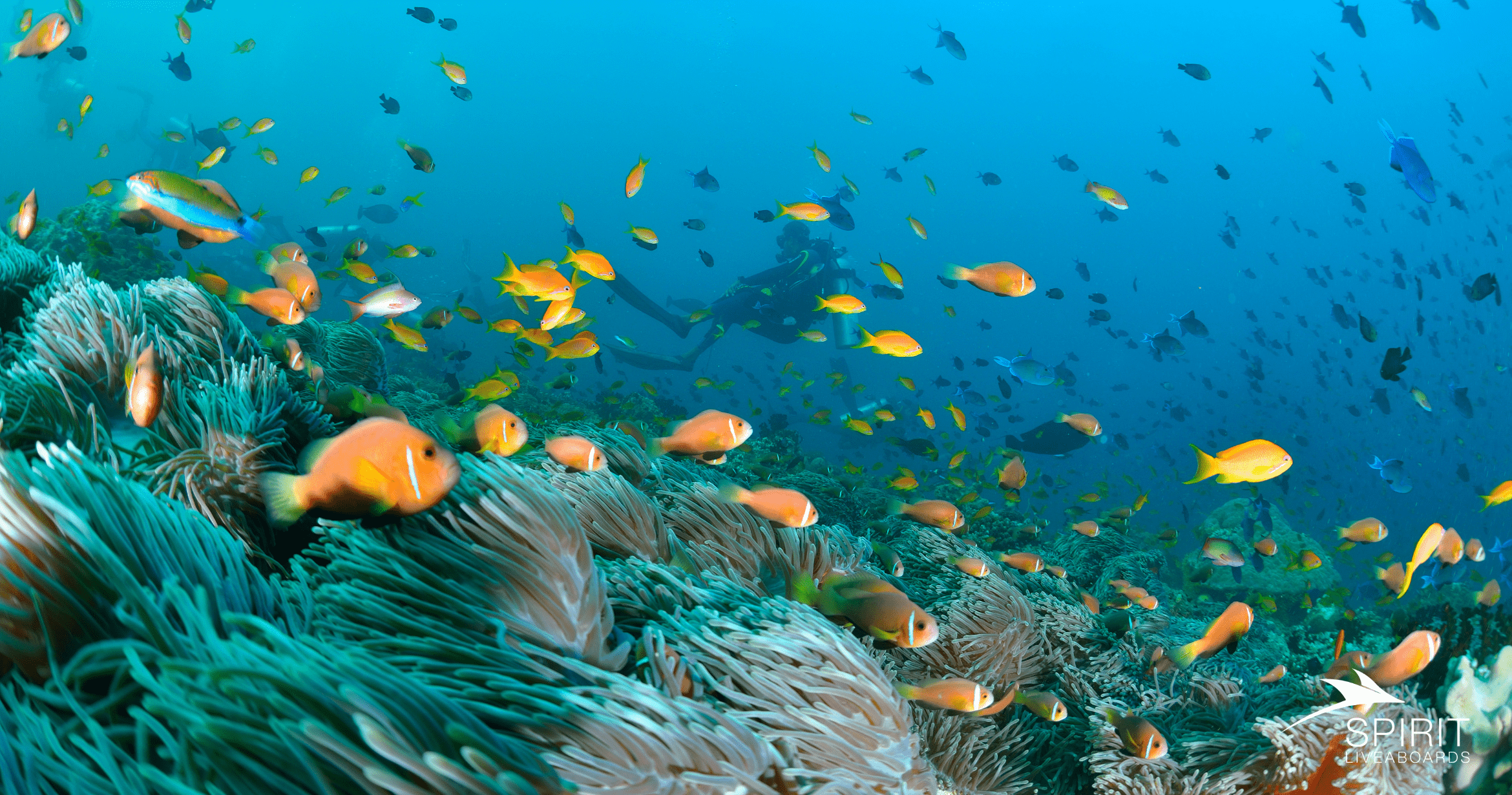

Scuba diving has evolved significantly over the years, and one of the most exciting advancements is the rise of rebreather diving. Unlike traditional open-circuit scuba systems, which release exhaled air into the water as bubbles, rebreathers recycle and optimize the diver’s breathing gas, allowing for longer, quieter, and more immersive dives.
For both recreational and technical divers, rebreathers offer game-changing benefits—extended bottom time, reduced gas consumption, and the ability to get closer to marine life without the disturbance of bubbles. This shift in technology is opening up new possibilities for exploration, from shallow coral reefs to deep wrecks and caves.
But what exactly makes diving with a rebreather different? How does it work, and what should divers consider before making the switch? In this article, we’ll break down the fundamentals of rebreather diving, its advantages, and whether it’s the right choice for your next underwater adventure.
How Rebreathers Work: A Breakdown
Rebreathers operate by recycling the diver’s exhaled gas rather than releasing it into the water, making them far more efficient than traditional open-circuit systems. This gas recycling process not only extends dive time but also creates a nearly silent dive, allowing for closer marine life interactions.
There are two main types of rebreathers:
- Closed-Circuit Rebreathers (CCR): These fully recycle exhaled gas, removing carbon dioxide and adding controlled amounts of oxygen to maintain the ideal breathing mix. CCR systems are commonly used for deep dives and technical diving.
- Semi-Closed Rebreathers (SCR): These release small amounts of excess gas into the water but still recycle most of the diver’s breath. SCRs are more commonly used in recreational diving.
Key components of Rebreathers
Regardless of the type, when you dive a rebreather, key components work together to manage gas flow efficiently:
| Component | Function |
|---|---|
| Scrubber | Removes carbon dioxide from exhaled air, allowing for continuous breathing without waste. |
| Oxygen Sensors | Monitors oxygen levels and adjusts gas flow to maintain safe breathing conditions. |
| Counterlungs | Flexible bags that store and regulate breathing gas to match the lung volume. |
| Gas Management System | Includes cylinders that supply oxygen and diluent gases, ensuring a precise gas mix for safe diving. |
Advantages of Diving with Rebreathers
Rebreathers have revolutionized the way people explore underwater, offering significant advantages over open-circuit scuba systems. Here are the key benefits:
1. Longer Bottom Time
Since a rebreather recycles gas for breathing instead of releasing it into the water, divers can stay underwater much longer. Unlike open-circuit systems that waste exhaled air, a closed-circuit rebreather only adds oxygen as needed, allowing you to metabolize their gas for breathing more efficiently and significantly extending their dive time.
2. Quieter Dives for Better Marine Life Encounters
Traditional scuba gear releases loud bursts of bubbles, which can scare away sea life. Diving with a closed rebreather is much quieter, reducing disturbance and allowing you to observe fish, sharks, and other creatures up close for a more immersive dive experience.
3. Optimized Gas Usage
Unlike open-circuit scuba, which wastes exhaled air, a closed circuit rebreather constantly adjusts the oxygen mix to match the diver’s needs. This not only makes gas consumption more efficient but also reduces the amount of gas required, eliminating the need for multiple large cylinders, which is especially useful for deep or technical diving.
4. Warmer and More Comfortable Breathing
Since rebreathers retain heat and moisture from exhaled air, divers breathe in warmer, more humid gas compared to the cold, dry air from an open-circuit system. This makes long dives more comfortable, reduces dehydration, and helps maintain body warmth in colder waters.
5. Reduced Decompression Obligations
By maintaining an optimal gas mixture, rebreathers can help minimize nitrogen absorption, which can lead to shorter decompression stops compared to traditional open-circuit diving. This is a major advantage for both divers looking for efficiency and technical planning deep dives.
6. Ideal for Deep and Technical Diving
For divers exploring deep wrecks, caves, or extended bottom times, closed circuit rebreathers offer unmatched flexibility. Since they allow for customized gas blends, divers can optimize their breathing mix for the best performance at different depths, making them ideal for technical and deep diving.
7. Professional Training and Instructor Guidance
Using a closed circuit rebreather requires specialized training, as they function differently from open-circuit systems. A certified instructor is essential to ensure safe operation, proper air management, and emergency procedures. Many training agencies now offer courses to help recreational divers and technical divers make the transition to rebreathers safely.
Rebreather Diving for Recreational vs. Technical Diving
Rebreathers were once considered a tool exclusively for deep or technical diving, but advancements in closed-circuit rebreather (CCR) technology have made them more accessible to the recreational diver as well. Modern rebreathers are now designed with user-friendly features, enhanced safety measures, and streamlined training programs, making them a viable option for those who want to extend their bottom time and enjoy more.
However, there are key differences in how rebreathers are used in recreational vs. technical diving, including training requirements, costs, and safety considerations. The table below highlights these differences:
| Category | Recreational Rebreather Diving | Technical Rebreather Diving |
|---|---|---|
| Depth Limits | Typically up to 40 meters (130 feet) | Often beyond 100 meters (330 feet) |
| Gas Management | Uses a preset mix, typically air or nitrox | Custom air blends including trimix for deep dives |
| Training | Shorter certification courses, focuses on safety and basic operation | Extensive training required, including decompression procedures and emergency protocols |
| Cost | Lower initial investment; some recreational models are more affordable | Higher costs due to specialized gear, air blends, and advanced training |
| Decompression | Limited or no decompression requirements | Often requires complex decompression planning |
| Safety Considerations | Designed with simplified controls and fail-safes for easier use | Requires detailed air monitoring and advanced safety protocols |
| Ideal For | Recreational looking for longer, quieter dives with minimal complexity | Technical divers engaging in deep, extended, or cave requiring precise air control |
Safety Considerations and Training for Rebreather Use
Using a rebreather requires a high level of awareness and training due to the complexity of these systems. Unlike traditional equipment, which releases exhaled air into the water, a rebreather continuously recycles it. This means users must closely monitor oxygen levels, carbon dioxide buildup, and potential system failures. Without proper safety measures, issues such as oxygen imbalance or scrubber failure can become life-threatening. Below are key safety considerations that should always be taken into account.
- Oxygen Level Management: Unlike conventional setups, where oxygen content remains relatively constant, a rebreather continuously adjusts the mix based on the user’s needs. If levels drop too low, it can result in unconsciousness with little warning. On the other hand, excessive oxygen, particularly at greater depths, may cause seizures. Regular monitoring and understanding how to adjust oxygen intake are essential to preventing these risks.
- Carbon Dioxide Buildup and Scrubber Efficiency: One of the most serious risks is excess carbon dioxide caused by a failing scrubber. This component absorbs carbon dioxide from exhaled air, preventing toxic buildup that can lead to dizziness, confusion, or even unconsciousness. However, scrubbers have a limited operational lifespan, and exceeding their capacity can result in dangerous exposure. Users must strictly follow replacement schedules and recognize early symptoms of carbon dioxide retention.
- Buoyancy Control Challenges: Managing buoyancy is different when using this type of equipment. In traditional setups, buoyancy naturally changes as air is consumed from a tank. However, in a rebreather, the volume of air remains relatively stable, making buoyancy control more sensitive. This requires new techniques, particularly when ascending or making fine adjustments while underwater.
- Emergency Procedures and Backup Plans: If the system malfunctions—whether due to oxygen regulation failure, scrubber exhaustion, or electronic issues—users must have a clear plan for handling emergencies. Switching to an alternate air source is not as straightforward as in conventional setups. Understanding how to recognize system failures early and transition to an emergency supply safely is crucial for avoiding critical situations.
- Pre- and Post-Use Equipment Checks: Many accidents occur due to improper assembly or overlooked maintenance. A thorough checklist before each session ensures that oxygen sensors, scrubbers, tanks, and electronics are functioning correctly. After use, proper cleaning, part replacements, and routine servicing are essential for keeping the system reliable.
- Situational Awareness and Formal Training: Unlike conventional setups, where users can rely on instinct and past experience in emergencies, this equipment demands a proactive approach to monitoring system status at all times. Training through established organizations helps build essential skills in managing oxygen levels, troubleshooting issues, and following emergency protocols specific to different models.
Conclusion
Rebreather technology has redefined underwater exploration, offering extended time below the surface, reduced noise, and a more immersive experience. Whether for recreational use or deep technical applications, these systems provide significant advantages for those looking to enhance their adventures. However, proper training, consistent equipment maintenance, and a strong focus on safety are essential for making the most of this advanced technology.
For those seeking world-class underwater experiences, Spirit Liveaboards offers the perfect combination of adventure and luxury. With expert guides and an unmatched understanding of Maldivian and Fijian waters, we ensure every journey is tailored to the best conditions. Whether you’re new to rebreathers or highly experienced, our team is committed to providing a seamless, safe, and unforgettable experience. Join us and explore the ocean like never before!
FAQs
How does this technology enhance underwater photography and videography?
The near-silent operation of this equipment allows photographers and videographers to capture close-up shots of aquatic creatures without startling them. The extended time undersea also provides more opportunities to frame the perfect shot, while the warmer, humid air reduces fogging on camera housings, ensuring clearer images.
What are the key differences in training between traditional systems and this advanced equipment?
Training for this advanced system involves learning specialized skills such as monitoring oxygen levels, managing carbon dioxide absorption, and understanding complex emergency protocols. Unlike traditional setups, users must also master buoyancy control techniques tailored to the equipment’s unique behavior, making the learning curve steeper but more rewarding.
How does this equipment perform in extreme environments like caves or deep wrecks?
In challenging environments such as caves or deep wrecks, this technology excels due to its ability to maintain optimal breathing conditions and extend exploration time. However, users must undergo rigorous training to handle potential hazards like entanglement, limited visibility, and the need for precise navigation in confined spaces.
What are the long-term cost implications of switching to this advanced system?
While the initial investment is higher compared to traditional setups, the long-term costs can be offset by reduced air consumption and fewer refills. However, users must budget for regular maintenance, replacement parts like scrubbers and sensors, and advanced training courses to ensure safe and efficient operation.
How does this technology impact teamwork and communication during undersea activities?
This equipment requires a higher level of teamwork and communication, as users must rely on each other to monitor system performance and respond to emergencies. Hand signals and pre-dive briefings become even more critical, as the silent operation eliminates auditory cues that are common with traditional setups. This fosters a stronger sense of collaboration and trust among team members.


Leave your comment: