


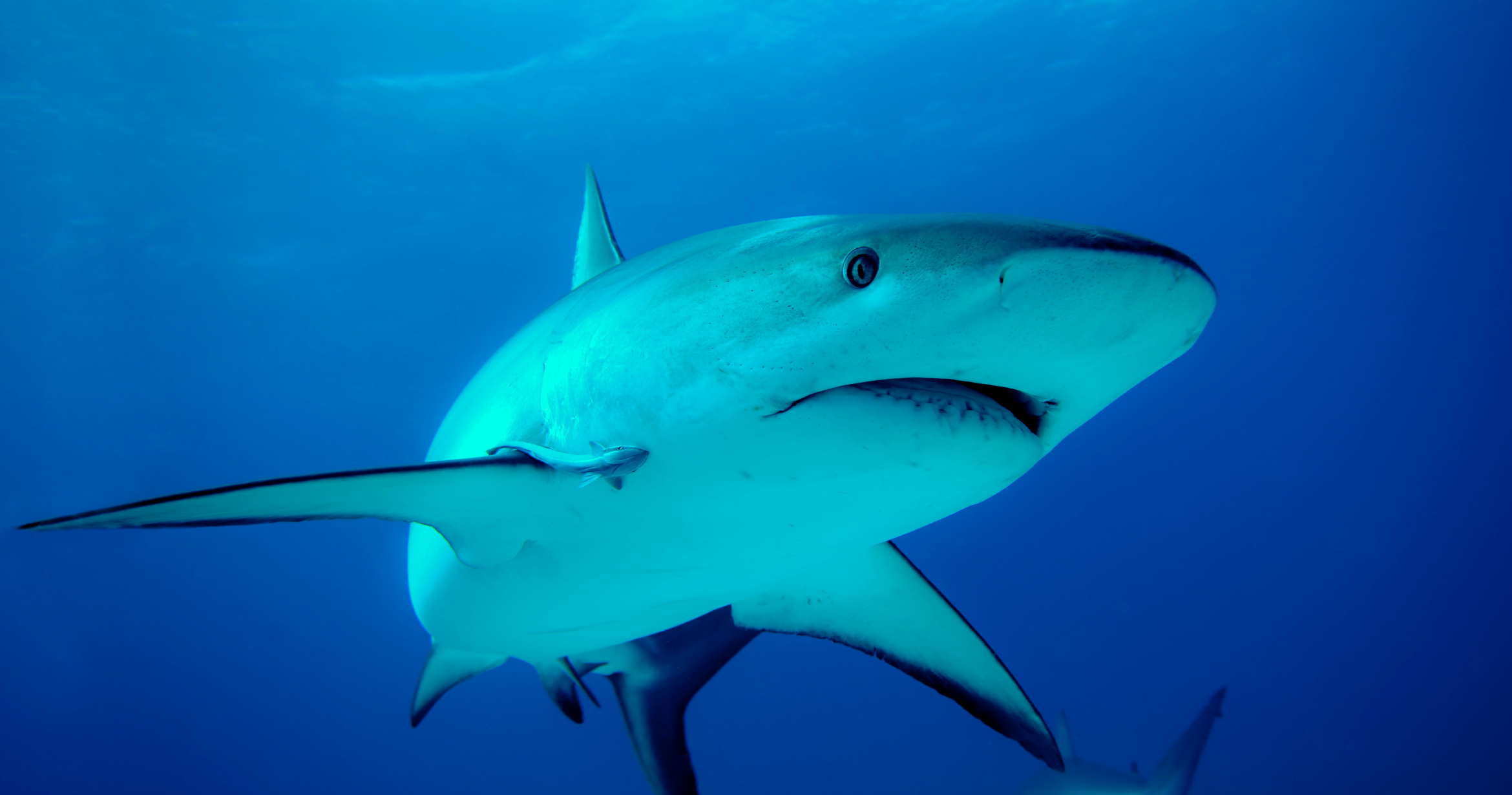

Shark diving is an exhilarating underwater experience that allows you to encounter sharks in their natural habitat. Expert divers guide it, and participants can observe these incredible predators up close, in a controlled and safe environment.
Whether you’re diving freely or from the safety of a cage, shark diving combines adventure with a deeper appreciation for marine life. It’s an unforgettable opportunity to witness the beauty and power of sharks while exploring some of the world’s most breathtaking underwater landscapes.
Top 5 Locations for Shark Diving
1. Maldives
The Maldives is a haven for shark enthusiasts, offering a truly unique experience. Known for its pristine waters and vibrant sea creatures, it’s home to several shark species, including whale sharks, and hammerheads. Popular sites like Hanifaru Bay are great for observing these majestic creatures, especially during the plankton-rich months. Scuba divers will also enjoy exploring Maaya Thila, where sharks are often seen patrolling the area, creating an unforgettable underwater adventure.
Maldives Shark Diving Overview
| Criteria | Details |
|---|---|
| Diversity of Shark Species | ✔️ |
| Accessibility (Year-round) | ✔️ |
| Visibility (Clear Waters) | ✔️ |
| Beginner-Friendly Dives | ✔️ |
| Thrilling Encounters (Hammerheads, Tigers, etc.) | ✔️ |
| Vibrant Reefs | ✔️ |
2. Fiji
Fiji, famous for its soft corals and crystal-clear waters, is a top destination for shark diving. Beqa Lagoon, in particular, offers a thrilling experience where divers can encounter multiple species of shark, such as bull, tiger, and even nurse sharks. The reef systems in Fiji create a vibrant underwater world, great for divers seeking a blend of adrenaline and natural beauty. Hammerheads can occasionally be spotted here, adding to the magic of the experience.
Fiji Shark Diving Overview
| Criteria | Details |
|---|---|
| Diversity of Species | ✔️ |
| Accessibility (Year-round) | ✔️ |
| Visibility (Clear Waters) | ✔️ |
| Beginner-Friendly Dives | ✔️ |
| Thrilling Encounters (Hammerheads, Tigers, etc.) | ✔️ |
| Vibrant Reefs | ✔️ |
3. South Africa (Aliwal Shoal)
Aliwal Shoal in South Africa is renowned for its shark experience. This site boasts nutrient-rich waters that attract various shark species, including oceanic blacktip sharks and tiger sharks. Divers are treated to an exhilarating scuba dive as they explore the shark formations teeming with marine life. This location is perfect for encountering sharks in their natural habitat, with its breathtaking underwater scenery and unmatched biodiversity.
South Africa Shark Diving Overview
| Criteria | Details |
|---|---|
| Diversity of Species | ✔️ |
| Accessibility (Year-round) | ✔️ |
| Visibility (Clear Waters) | ✔️ |
| Beginner-Friendly Dives | ❌ |
| Thrilling Encounters (Hammerheads, Tigers, etc.) | ✔️ |
| Vibrant Reefs | ✔️ |
4. Galápagos Islands, Ecuador
The Galápagos Islands are a dream for shark enthusiasts, with opportunities to see large schools of sea creatures, whale sharks, and silky sharks. Darwin and Wolf Islands are standout locations for spotting these species of shark. The diving experience here is unparalleled, with dramatic underwater landscapes and thriving ecosystems. The systems in the Galápagos add to the allure, providing an ideal backdrop for observing the region’s marine giants.
Galápagos Islands Shark Diving Overview
| Criteria | Details |
|---|---|
| Diversity of Species | ✔️ |
| Accessibility (Year-round) | ❌ |
| Visibility (Clear Waters) | ✔️ |
| Beginner-Friendly Dives | ❌ |
| Thrilling Encounters (Hammerheads, Tigers, etc.) | ✔️ |
| Vibrant Reefs | ✔️ |
5. French Polynesia (Rangiroa)
Rangiroa, a breathtaking atoll in French Polynesia, is known for its incredible shark encounters. Tiputa Pass is a hotspot for grey sharks, blacktip sharks, and occasionally hammerheads. The structures here are vibrant and healthy, creating a stunning setting for a scuba dive. The waters of Rangiroa are perfect for shark enthusiasts, offering a serene yet thrilling experience that showcases the diversity of marine life in the South Pacific.
French Polynesia Shark Diving Overview
| Criteria | Details |
|---|---|
| Diversity of Species | ✔️ |
| Accessibility (Year-round) | ✔️ |
| Visibility (Clear Waters) | ✔️ |
| Beginner-Friendly Dives | ✔️ |
| Thrilling Encounters | ✔️ |
| Vibrant Reefs | ✔️ |
Safety First: Essential Safety Tips for Shark Diving
- Follow the Dive Briefing: Attend the pre-dive briefing, where experts share crucial safety protocols, explain the behavior of different types of sharks, and outline what to expect during the experience.
- Use Reliable Equipment: Ensure your scuba gear is in excellent condition, and verify that all equipment is designed to offer maximum protection during your dive.
- Dive with Professionals: Always dive under the guidance of experienced professionals who understand the habits of sharks and can provide a safe, well-organized experience.
- Maintain a Safe Distance: Respect the sharks’ space by observing them from a distance without interfering with their natural behavior. This helps create a respectful and safe environment for everyone involved.
- Avoid Sudden Movements: Move slowly and calmly in the water to prevent alarming the sharks. Maintaining smooth and deliberate motions ensures a more enjoyable and secure experience.
- Wear Neutral Colors: Avoid wearing bright or reflective gear, as this can attract unnecessary attention. Opt for subdued tones that blend seamlessly into the underwater environment.
- Stay Aware of Surroundings: Be mindful of your surroundings, including the behavior of sharks and other elements of the underwater environment, to ensure your safety and maximize your viewing experience.
- Stick to the Dive Plan: Follow the planned route and depth to stay within safe parameters and make the most of your time observing these incredible animals.
- Keep Hands and Feet to Yourself: Avoid extending your limbs toward the sharks or into their proximity. Keeping a respectful distance ensures safety and minimizes any potential risks.
- Trust Your Guide: Listen carefully to your guide’s instructions—they are experts in managing safe, unforgettable diving adventures in locations like Fiji, the Maldives, and even the iconic Galápagos Islands.
Conclusion
Shark diving offers a thrilling and unforgettable way to connect with the ocean’s most awe-inspiring creatures. Whether you’re dreaming of seeing a white shark or enjoying spectacular shark viewing in tropical waters, it’s an experience like no other. By following safety tips and trusting expert guidance, you can explore the underwater world with confidence.
At Spirit Liveaboards, we specialize in luxurious diving experiences in the Maldives and Fiji, two of the world’s top shark diving destinations. With deep expertise, unparalleled amenities, and options for adventures like daily shark cage dives, we ensure every moment is unforgettable. Don’t hesitate to contact us to book your dream diving adventure today!
FAQs
What is shark cage diving?
Shark cage diving is an experience where divers enter a secure cage submerged in the ocean to observe sharks up close while staying protected from direct contact.
How is freediving with sharks different from cage diving?
Freediving with sharks involves swimming freely in open water without a cage, allowing for a more immersive and natural interaction with sharks.
Do I need scuba certification for shark cage diving?
No, most shark cage diving experiences provide surface-supplied air or allow participants to hold their breath, so no certification is required.
Is shark diving safe?
Yes, shark diving is safe when conducted by reputable operators who follow strict safety protocols and respect shark behavior.
What types of sharks can I see during these dives?
Common species include reef sharks, tiger sharks, hammerheads, and whale sharks, depending on the location and season.
Where are the best places for shark cage diving and freediving?
Popular destinations include the Maldives, Fiji, South Africa, Mexico (Guadalupe & Isla Mujeres), and Australia (Neptune Islands).
What should I bring for a shark diving trip?
Bring a mask, snorkel, wetsuit, fins, reef-safe sunscreen, and an underwater camera if permitted.
Is feeding sharks allowed during dives?
No, responsible dive operators avoid baiting or feeding sharks to prevent altering their natural behavior.
Why is shark diving important for conservation?
Shark diving promotes awareness and supports conservation efforts by showcasing sharks as vital to marine ecosystems rather than dangerous predators.


Leave your comment: