

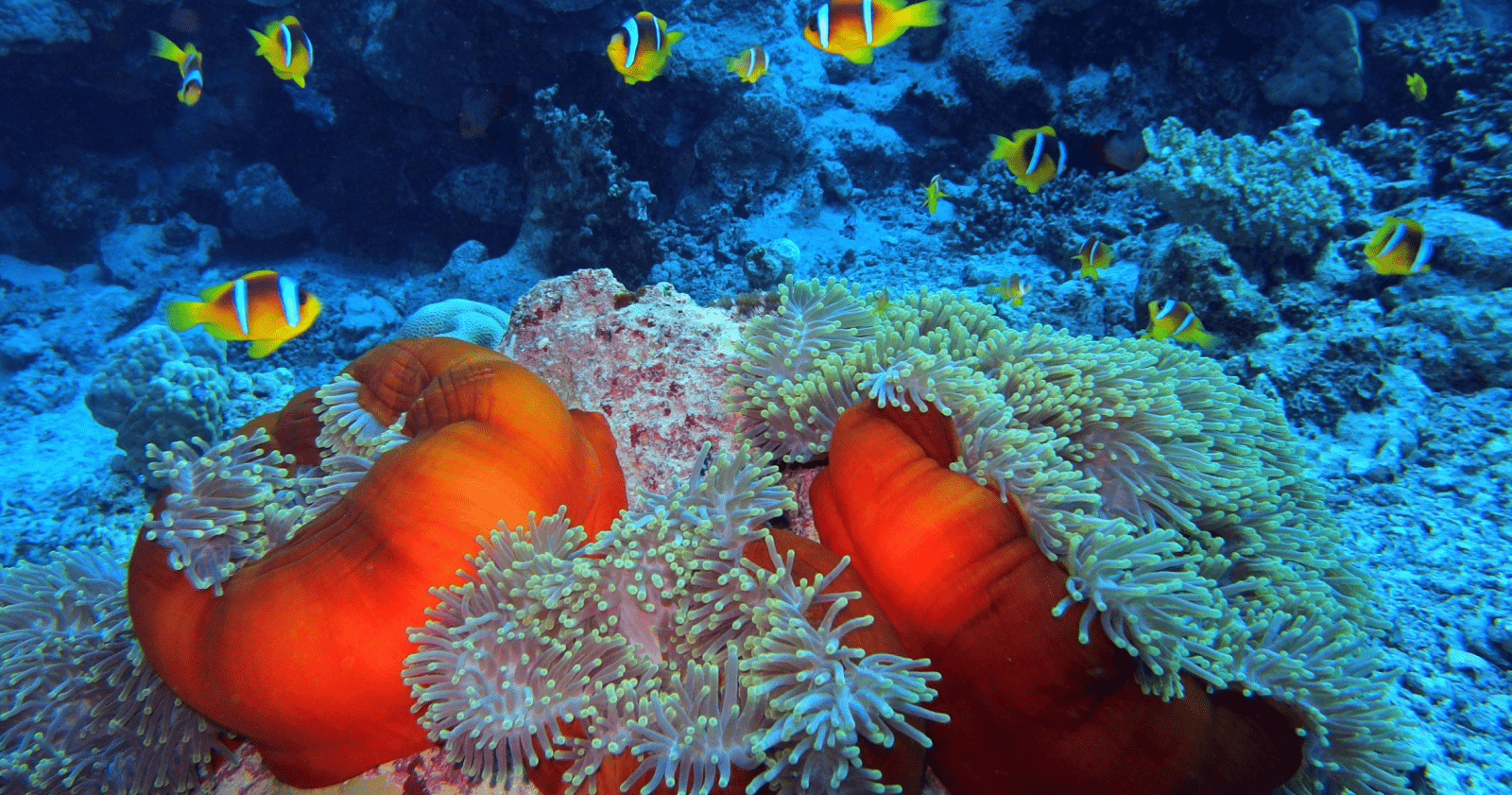

When you think about the ocean, you might picture coral or even large sea creatures. But there’s something else just as important — underwater plants. These plants prosper in all kinds of environments. They support life, clean the water, and bring color to the sea.
You’ll find many types of aquatic plants in the ocean, ponds, and lakes. Some float near the surface, while others grow deep and tall. Each one plays a role in helping the whole environment prosper.
In this article, you’ll learn about different plants, how they increase, and why liveaboard trips are the best way to see them up close.
Types of Underwater Plants You’ll See
They come in many shapes and sizes. Some prosper in shallow waters, while others grow in deeper parts of the ocean. These plants are crucial for maintaining a healthy environment. They provide food and shelter for fish, absorb carbon dioxide, and even produce oxygen.
Here’s a table of some of the most common plants you might see on your next dive:
| Plant Name | Plant Type | Location | Unique Feature |
|---|---|---|---|
| Seagrass | Aquatic | Shallow coastal areas | Provides food and shelter |
| Kelp | Marine | Deep sea | Can grow and forms forests |
| Muskgrass | Aquatic | Freshwater ponds | Forms dense mats that float on water |
| Red Sea Whip | Marine | Pacific | Known for its bright red color |
| Floating Plants | Aquatic | Ponds | Float on the surface, providing cover for small creatures |
| Brain Coral | Plant/organism | Coral reefs | Has a unique, brain-like shape |
| Green Sea Anemone | Aquatic organism | Coastal areas | Attracts fish like clownfish |
| Pondweed | Aquatic | Freshwater lakes/ponds | Increase in shallow water with wide leaves |
| Feather-like Alga | Aquatic | Sea surface | Soft and delicate with feather-like branches |
Dive the Maldives with Us
Explore the crystal-clear waters of the Maldives on a luxury liveaboard diving trip. Perfect for all levels, our guided tours take you to the most breathtaking dive sites in the region.
Book Your Dive TourWhere to Find the Most Diverse Underwater Flora
The most diverse flora is found in coastal areas, where sunlight, nutrients, and temperature create ideal conditions for plant growth. Coral reefs, which cover only 0.1% of the sea floor, support 25% of species. These reefs host seagrass meadows, kelp forests, and various algae, with seagrass supporting over 100,000 species.
The Pacific, especially its tropical regions, is home to vast kelp forests that can increase up to 60 meters tall and support a rich ecosystem. The Great Barrier Reef also boasts over 400 coral and numerous plants, including seagrass and algae. In freshwater lakes, like Lake Baikal, unique plant life thrives in stable conditions, further contributing to global biodiversity.
These areas — coastal, tropical, and freshwater — offer the most diverse plant life, making them prime locations for exploration.
| Location | Type of Flora | Notable Features |
|---|---|---|
| Coral Reefs | Seagrass, algae, coral | Support 25% of life, 0.1% of the ocean floor |
| Pacific (Tropical) | Kelp forests, seaweed | Kelp grows up to 60 meters, fast-growing, rich ecosystem |
| Great Barrier Reef | Coral, seagrass, algae | Over 400 coral types, vital flora |
| Lake Baikal | Freshwater flora | Unique Life, one of the oldest lakes |
Conclusion
Exploring the diverse flora is an experience that connects you with nature in ways that are hard to describe. From the vibrant coral reefs to the vast kelp forests, plant life plays a crucial role in maintaining healthy ecosystems. Whether you’re exploring the Pacific Ocean, the Great Barrier Reef, or freshwater lakes, there’s always something new to discover.
If you’re looking to explore the best environments up close, Spirit Liveaboards offers the perfect experience. With our luxury diving trips in the Maldives and Fiji, you can dive into these rich ecosystems with expert guides and premium service. Their deep knowledge of Maldivian waters ensures that you visit the best dive sites, all while enjoying high-end comfort and safety.
Upcoming Maldives Dive Tours
FAQs
Can water plants survive without sunlight?
Yes, some plants can survive with limited sunlight, especially in deeper or murkier waters. Plants like algae can grow in low-light conditions, and some species of seagrass are adapted to survive in areas where light is minimal. However, most plants need sunlight for photosynthesis, which is essential for their growth and the health of the surrounding ecosystem.
What is the role of underwater plants in maintaining water quality?
Plants play a vital role in maintaining water quality by absorbing excess nutrients, such as nitrogen and phosphorus, which can cause harmful algal blooms. They also produce oxygen during photosynthesis, supporting the life of oceanic creatures. By stabilizing the sediment and reducing erosion, they help maintain the overall health of the oceanic environment.
Are underwater plants important for sea life beyond fish?
Absolutely! Plants provide habitats for many creatures beyond fish. Insects, crustaceans, and mollusks use them for shelter and as a food source. These organisms also attract various birds, including waterfowl, which rely on them for nesting and foraging. They form a critical part of the food chain in oceanic ecosystems.
How can underwater plants adapt to changing environmental conditions?
Plants have several adaptive strategies to survive in changing environments. For example, seagrasses can alter the way they grow depending on the depth and light availability, while kelp forests can change their structure to resist strong currents. Some of them can even adjust their root systems to absorb nutrients more efficiently when conditions change, allowing them to thrive in diverse environments.
What makes liveaboard diving the best way to explore underwater flora?
Liveaboard diving offers a unique advantage when exploring flora because it allows you to access remote, untouched dive sites that are often unreachable by day trips. With extended time on the water, you can dive deeper into diverse oceanic environments, discovering rare life forms and witnessing the health of different ecosystems. Spirit Liveaboards, with its expert guides and luxury service, ensures that you get the most out of these unique experiences.


Leave your comment: