


Snorkeling and scuba diving are two exciting ways to explore the underwater world, each offering unique experiences. But what is the difference between them?
Understanding the differences between these activities can help you decide which one suits your adventure style.
Let’s dive into what sets them apart and how to choose the best option for your next aquatic getaway!
What is Snorkeling?
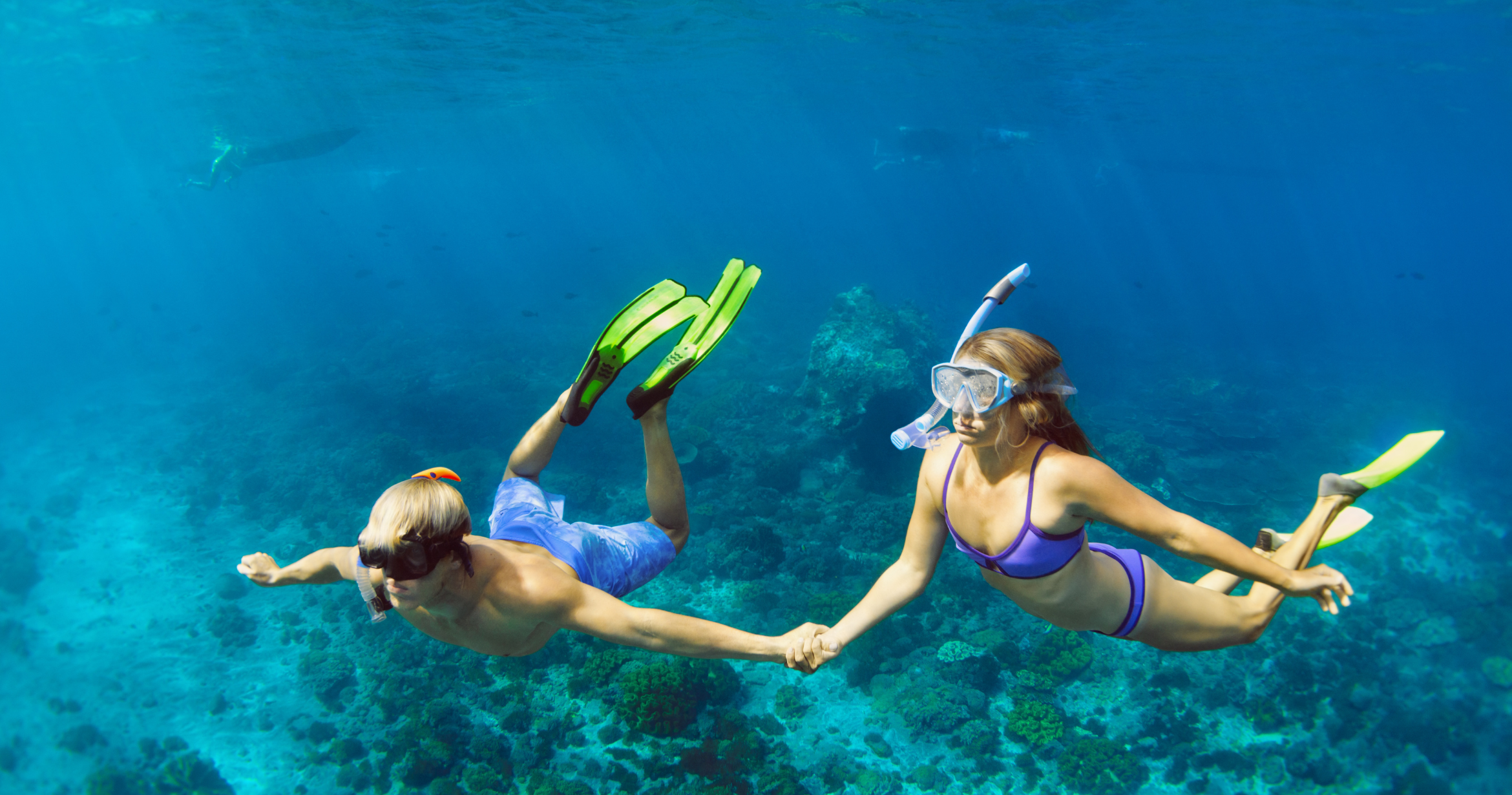
Snorkeling is a fun and easy way to explore the oceanic world. It involves swimming near the surface of the water while wearing a special mask and a breathing tube called a snorkel. With this gear, you can see the ocean clearly and breathe without lifting your head.
Snorkeling is great for beginners because it doesn’t require training or special skills. You only need basic abilities of swimming and a love for the water. Fins can also help you move more easily through the water, but they aren’t always necessary.
If you like snorkeling, you can enjoy it in many beautiful places. Shallow reefs, calm lagoons, and tropical islands are perfect for this activity. Some popular destinations even offer both scuba diving and snorkeling, so every diver can enjoy the water in their own way.
Equipment Needed for Snorkeling
| Equipment | Purpose | Notes |
|---|---|---|
| Mask | Helps you see clearly underwater by creating an air pocket around your eyes. | Ensure a snug fit to prevent water leakage. |
| Snorkel | A breathing tube called a snorkel or snorkel mask lets you breathe while keeping your face underwater. | Choose one with a purge valve for easier use. |
| Fins | Help you swim efficiently and move smoothly through the water. | Pick those that fit comfortably for long use. |
| Snorkeling Vest | Provides buoyancy to keep you afloat and reduces fatigue. | Ideal for beginners and long sessions. |
| Wetsuit or Rash Guard | Protects your skin from the sun, cold water, and stings from sea life. | Choose based on water temperature. |
| Defogging Solution | Prevents your mask from fogging, ensuring clear vision underwater. | Can be a store-bought solution or homemade. |
| Waterproof Bag | Keeps valuables like your phone or keys safe and dry. | Useful for carrying essentials on the water. |
| Reef-Safe Sunscreen | Protects your skin from the sun without harming corals. | Look for eco-friendly, water-resistant options. |
What is Scuba Diving?
Scuba diving lets you explore the underwater world at greater depths. It works by using special equipment that allows you to breathe underwater. Scuba divers wear a lot of gear to make this possible.
The main equipment includes a scuba tank filled with air, a regulator to help you breathe, and a buoyancy control device to manage your position underwater. You also need a wetsuit, fins, and a mask. Each piece of equipment plays an important role in keeping you safe and comfortable.
Learning to scuba dive requires training and certification. You need to practice basic skills like using the equipment and managing your buoyancy. You also need good swimming skillset to feel confident in the water. Many places offer beginner programs like Discover Scuba, where you can try it without full certs.
Scuba diving lets you go deeper and stay longer than snorkeling. You can explore shipwrecks, coral reefs, and the beauty of the underwater world. The best environments include clear, calm waters with rich marine life, like tropical destinations.
Equipment Needed for Scuba Diving
| Equipment | Purpose | Notes |
|---|---|---|
| Scuba Tank | Holds compressed air to let you breathe underwater. | Also called a scuba tank; check air levels before each dive. |
| Regulator | Allows you to breathe from the tank by converting high-pressure air into breathable air. | Includes a mouthpiece and pressure gauge for monitoring tank levels. |
| Buoyancy Control Device (BCD) | Helps you manage your buoyancy to float, sink, or hover underwater. | Essential for stability and comfort during dives. |
| Wetsuit or Dry Suit | Protects your body from cold water and stings from marine life. | Wear a wetsuit for warmer waters or a dry suit for cold or open water. |
| Fins | Help you swim efficiently and reduce effort underwater. | Ensure they fit comfortably for smooth movement. |
| Mask | Lets you see underwater by creating an air pocket over your eyes. | A snug fit prevents water from entering. |
| Weights | Helps you go deeper by counteracting your natural buoyancy. | Used with a weight belt or integrated into the BCD. |
| Dive Computer | Tracks your depth, time underwater, and remaining air supply. | Keeps you safe by monitoring dive limits. |
| Scuba Gear Bag | Holds and organizes all your scuba equipment. | Makes transporting your gear easier, especially for traveling swimmers. |
What is the Difference Between Snorkeling and Scuba Diving?
The main difference between snorkeling and scuba diving is how you explore the water. When you go snorkeling, you stay at the surface and breathe through a tube called a snorkel. You only need to know how to swim and use simple gear. Snorkelers wear a mask and a snorkel to enjoy the underwater view without going deep.
Scuba diving is different because you go underwater with special equipment. Divers often carry a tank and use a regulator to breathe. This allows you to dive deeper and stay underwater longer. You also need training and certs to dive safely.
Think of it this way: if you go snorkeling, it’s like floating on top of a pool and watching the water below. With scuba diving, it’s like jumping into the pool and exploring the bottom. These two activities offer different ways to see the oceanic world.
For example, imagine you are at a coral. As a snorkeler, you see colorful fish swimming near the surface. As a scuba diver, you can go even deeper and explore caves, coral walls, or even shipwrecks. That’s the difference between scuba diving vs snorkeling — both are amazing, but they give you different experiences!
| Aspect | Snorkeling | Scuba Diving |
|---|---|---|
| Depth | Snorkeling involves staying near the surface to enjoy aquatic views. | It allows you to explore deeper areas and see unique aquatic environments. |
| Breathing | You use a tube to breathe while floating on the surface. | You use specialized breathing equipment like a tank and regulator to dive safely. |
| Gear | The equipment list is simple: a mask, breathing tube, and foot gear for swimming. | Includes advanced gear such as an air cylinder, regulator, buoyancy device, and suit. |
| Training | No training is required; basic skills of swimming are enough. | Requires certification and proper practice before your first dive for safety. |
| Duration | Limited to how long you feel comfortable swimming at the surface. | Scuba divers can explore for extended periods due to their specialized equipment. |
| Experience | Perfect for enjoying shallow aquatic zones and spotting colorful species. | Lets you fully explore diverse ecosystems, including shipwrecks and deepwater landscapes. |
| Cost | Affordable and requires minimal investment in basic gear. | More expensive due to the advanced equipment and necessary training. |
| Environment | Ideal for calm, clear areas close to the shoreline. | Suitable for deep environments, open zones, and structures found below the surface. |
| Example | Snorkeling involves floating to watch fish and corals in shallow areas. | Diving offers a more immersive experience, like swimming through caves or wrecks. |
Snorkeling Vs Scuba Diving: Which One is Right for You?
Let’s find out which activity suits you best based on your skills, goals, and preferences!
Fitness Level and Comfort in Water
Your fitness level and comfort in water play a big role in deciding between these activities. If you’re new to swimming or not very confident in the water, snorkeling is a great choice. Training for snorkeling focuses on simple skills like using a mask and breathing through a snorkel. Scuba, on the other hand, requires more confidence and stamina since you will rely on a self-contained underwater breathing apparatus to explore deeper areas.
Fitness Level and Comfort in Water
| Factor | Snorkeling | Scuba Diving |
|---|---|---|
| Swimming Skills | Basic swimming skills are enough. | Strong swimming skills are recommended. |
| Water Confidence | Suitable for those less confident in deep water. | Requires comfort in deeper water and managing gear. |
| Physical Stamina | Minimal stamina needed for short surface swimming. | Requires good stamina for handling equipment and diving. |
| Ease of Training | Simple skills like using a diving mask and snorkel. | Involves detailed training to use a self-contained breathing apparatus. |
Time Commitment and Budget
Scuba diving is how much you’re willing to invest in both time and money. To become a certified diver, you need to take an open water course like the PADI program. This involves lessons, practice dives, and the use of usual diving equipment. Snorkeling, however, is quick and budget-friendly. You can rent gear or buy your own for a lower cost and start right away without any formal training.
Time Commitment and Budget
| Factor | Snorkeling | Scuba Diving |
|---|---|---|
| Upfront Costs | $20–$100 for basic gear (diving maskl, fins). | $500–$1,500 for full gear, including a self-contained underwater breathing apparatus, wetsuit, and regulator. |
| Training Costs | None; no formal training required. | $300–$600 for an open water course like PADI certification. |
| Time Commitment | Minimal; you can start immediately with rented or purchased gear. | 3–5 days for training and certification, plus practice dives. |
| Ongoing Costs | $10–$50 for occasional rentals or upgrades. | $50–$200 per dive trip, plus equipment maintenance and certification renewals. |
Adventure Goals: Relaxation vs. Exploration
Think about what kind of experience you want. If you enjoy relaxing and observing fish or coral near the surface, snorkeling might be perfect. However, if you want to explore underwater caves or shipwrecks, diving offers a more adventurous option. With proper training and an open water diver certification, you can dive further in depth and see more exciting sights.
Family-Friendliness and Group Preferences
Snorkeling is a family-friendly activity that almost everyone can enjoy. The minimum age to try it is quite low, making it great for kids and groups with mixed skill levels. Diving vs snorkeling requires more preparation and age restrictions, as children must meet specific age limits to participate in scuba activities. If your group includes younger members, snorkeling might be the better fit. For certified divers, however, scuba diving can be a thrilling group adventure.
Conclusion
Snorkeling and scuba diving both offer unforgettable ways to experience the wonders of the ocean. Whether you prefer the simplicity of snorkeling or the thrill of diving deeper with scuba, each activity has something unique to offer. Choosing the right option depends on your comfort, budget, and sense of adventure.
If you’re ready for a world-class experience in the Maldives or Fiji, Spirit Liveaboards is here to make it unforgettable. Our luxury yachts and expert guides provide bespoke dive trips that combine adventure, comfort, and safety. Discover pristine dive sites and enjoy personalized service tailored to your needs. Explore the best the ocean has to offer with Spirit Liveaboards — your ultimate partner for an unforgettable diving journey!
FAQs
What is the main difference between snorkeling and scuba diving?
Snorkeling is swimming near the surface while breathing through a snorkel, whereas scuba diving involves using a tank and regulator to explore underwater at greater depths.
Do I need certification for snorkeling or scuba diving?
Snorkeling does not require certification, but scuba diving requires training and certification to ensure safety and proper use of equipment.
How deep can you go while snorkeling vs. scuba diving?
Snorkelers stay at the surface or dive briefly to shallow depths, while certified scuba divers can explore depths ranging from 18 meters (60 feet) for beginners to over 40 meters (130 feet) for advanced divers.
What equipment do I need for snorkeling vs. scuba diving?
Snorkeling requires a mask, snorkel, and fins, while scuba diving requires additional gear like a regulator, buoyancy control device (BCD), tank, and wetsuit.
Which is easier to learn: snorkeling or scuba diving?
Snorkeling is easier and requires minimal training, while scuba diving involves learning breathing techniques, buoyancy control, and safety procedures.
Is snorkeling or scuba diving better for marine life encounters?
Scuba diving offers closer and longer encounters with marine life at greater depths, while snorkeling allows you to observe fish, corals, and marine creatures near the surface.
Can I snorkel or dive if I can't swim?
Basic swimming skills are recommended for snorkeling, but for scuba diving, confidence in the water and the ability to tread or swim short distances is essential for safety.
Which is more physically demanding: snorkeling or scuba diving?
Scuba diving requires more physical effort due to equipment weight and breathing control, while snorkeling is generally easier but can still be tiring in strong currents.
Is snorkeling or scuba diving safer?
Both activities are safe when proper guidelines are followed, but scuba diving involves more risks like decompression sickness, nitrogen narcosis, and equipment failure, requiring proper training and safety measures.
Which is better for a first-time ocean experience?
Snorkeling is ideal for beginners looking for an easy and accessible way to explore marine life, while scuba diving offers a more immersive and in-depth underwater experience for those willing to take training.


Leave your comment: