


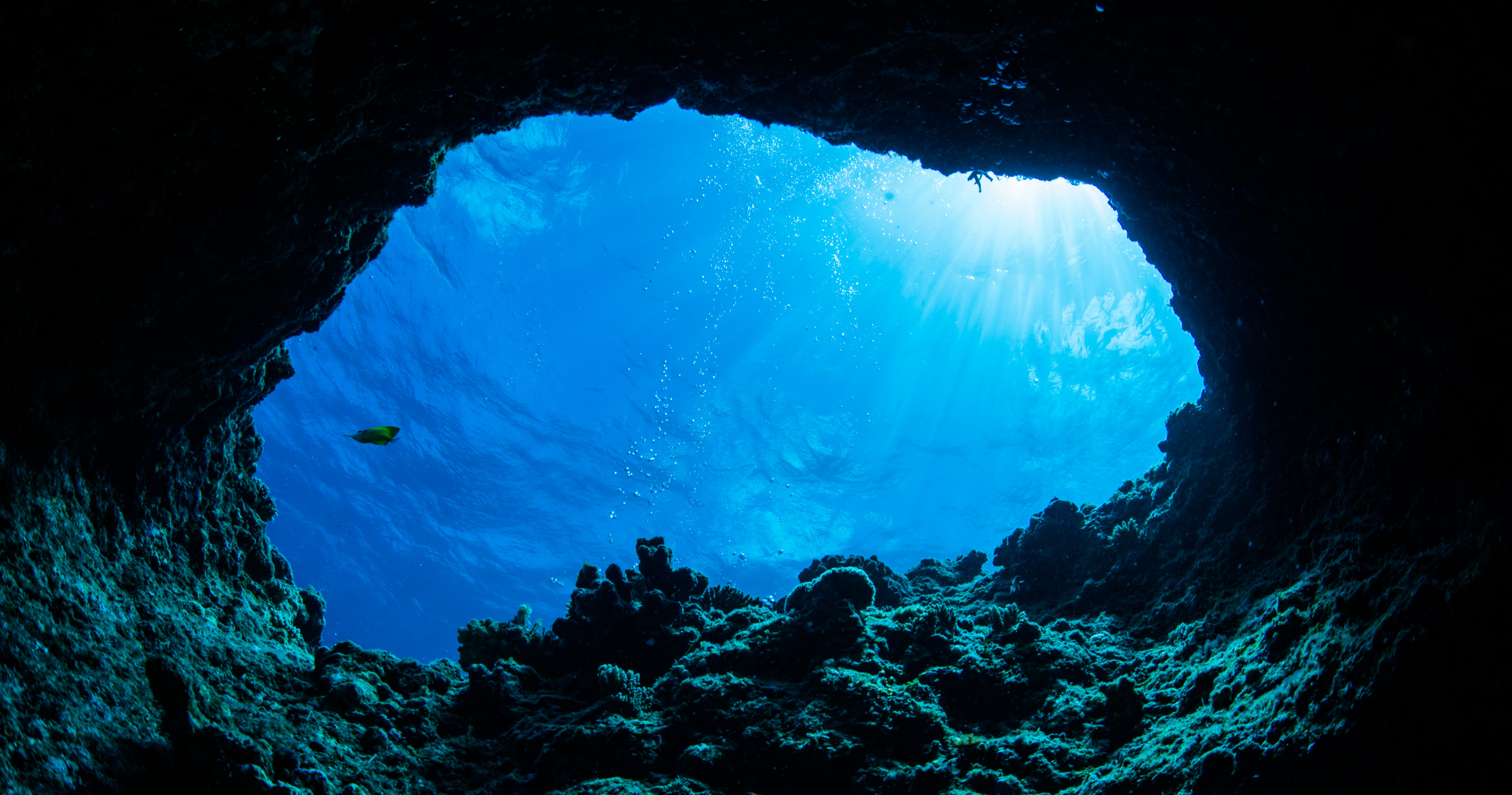

The Maldives is a dream destination for divers as it offers crystal-clear waters, vibrant coral reefs, and an incredible array of marine life. Among its many attractions, drift diving stands out as one of the most exciting experiences for underwater adventurers. Carried by strong currents through stunning atolls, divers can witness manta rays, whale sharks, hammerheads, and colorful coral gardens up close. The Southern Atolls, including the breathtaking Laamu Atoll, are particularly famous for their thrilling drift dives, making the Maldives a must-visit for anyone seeking unforgettable underwater encounters.
What is Drift Diving?
Drift diving is one of the most exciting ways to explore the ocean. It’s a type of scuba diving where you let the current carry you along a dive site. You don’t need to swim much, as the water moves you through the underwater scenery.
You usually start by jumping off a boat. Once in the water, you follow the current as it takes you over reefs and through channels. Some dive sites even have hooks to help you stay in place if the current gets too strong.
During it, you can spot incredible marine life. It’s common to see eagle rays gliding gracefully through the water. Every dive offers a new diving experience, with the chance of a unique sighting at every turn.
Equipments for Drift Diving
It’s important to have the right equipment for safety and comfort. The strong currents and open-water conditions mean you’ll need some specialized gear to make the most of your dive.
| Equipment | Purpose |
|---|---|
| Reef Hook | Helps you stay in place during strong currents without damaging the reef. |
| Surface Marker Buoy (SMB) | Signals your location to the boat crew, especially in open water. |
| Dive Computer | Tracks your depth and dive time for safety in changing conditions. |
| Strong Fins | Provides better propulsion and control in strong currents. |
| Gloves (if allowed) | Protects your hands when holding onto rocks or the reef. |
| Buoyancy Control Device (BCD) | Helps you adjust your position under the sea. |
| Whistle or Signaling Device | Ensures you can attract attention if you surface far from the boat. |
What Makes Drift Diving in the Maldives Special?
Drift diving in the Maldives is an unforgettable adventure. The strong currents of the Indian Ocean carry you effortlessly through vibrant undersea landscapes. These currents add a sense of excitement to every dive, making it thrilling and unique.
The marine life here is rich and diverse. You might spot a tiger shark gliding past or encounter reef sharks cruising along the reef. Black-tip sharks are also a common sight, adding to the thrill of the experience. You could even see a graceful turtle swimming through the clear waters.
The coral reefs in the Maldives are stunning. They are home to colorful fish and vibrant coral gardens. The visibility is excellent, allowing you to see the beauty of the undersea world clearly. Each dive site offers something special, from manta rays to massive schools of fish. Every dive here feels like a new and exciting adventure.
What is the Ideal time for Drift Diving in the Maldives?
The Maldives offers fantastic diving throughout the year, but some months are even better. The best time depends on the currents, which change with the monsoon seasons. From November to April, the currents are usually strong, making it an ideal weather.
If you plan to dive in the Maldives Southern Atolls, these months are ideal for clear water and abundant sea life.
| Time Period | Conditions | Tips |
|---|---|---|
| November to April | Clear waters, strong currents, abundant sea life. | Perfect for advanced open water divers. Use a reef hook for strong currents. |
| May to October | Weaker currents, reduced visibility, better for beginners, but still offers good diving experiences. | Great for exploring calmer dive sites. Suitable for divers building confidence. |
Some Precautions of Drift Diving
It is an exciting and fun activity, but safety should always come first. Here are five key precautions to ensure a safe and enjoyable experience:
- Plan Ahead: Review the dive plan with your guide, including entry, exit points, and sea conditions.
- Use an SMB: Carry a surface marker buoy to signal your location to the crew during ascent.
- Check Your Gear: Ensure all your equipment are in top condition.
- Stay Close to Your Buddy: Always keep your buddy in view and communicate regularly using hand signals.
- Practice Buoyancy Control: Maintain proper buoyancy to stay safe and avoid harming the reef.
Conclusion
Exploring the Maldives sea is a truly unforgettable experience. The Southern Atolls offer a unique opportunity to glide effortlessly through vibrant sea worlds, encountering majestic mantas, whale sharks, and colorful reefs along the way. Each dive reveals something new, making every moment special.
At Spirit Liveaboards, we provide luxury experiences of diving designed just for you. Our expert guides, comfortable yachts, and deep knowledge of these waters ensure you discover the hidden gems of the Maldives in both safety and style. Plan your next journey with us and experience the beauty of diving like never before!
FAQs
What is drift diving?
Drift diving is a type of diving where you allow ocean currents to carry you along the reef or seabed, reducing the need for finning and conserving energy. It offers a thrilling way to explore dive sites while enjoying effortless movement.
Why is the Maldives famous for drift diving?
The Maldives, especially Laamu and the Southern Atolls, features strong ocean currents that bring nutrient-rich waters, attracting large marine life such as manta rays, sharks, and schools of fish. The unique geography of channels and thilas (underwater pinnacles) makes it a drift diving paradise.
Do I need special training for drift diving?
While drift diving is accessible to most divers, having good buoyancy control and experience with current diving helps. A Drift Diver specialty course can teach you how to manage currents, deploy an SMB (surface marker buoy), and safely ascend in open water.
What kind of marine life can I see while drift diving in the Southern Atolls?
These atolls are home to manta rays, whale sharks, reef sharks, eagle rays, barracudas, and massive schools of pelagic fish. Hammerhead sharks and tiger sharks are also occasionally spotted in deep channels.
How strong are the currents in Laamu and the Southern Atolls?
Currents vary by location, tide, and moon phase. Some sites have mild drifts, while others feature strong currents requiring advanced diving skills. Experienced dive guides assess conditions and choose sites accordingly.
What equipment do I need for drift diving?
A surface marker buoy (SMB) is essential for safety, as currents may carry you away from the entry point. A reef hook can be useful in strong currents, allowing you to stay in one place while observing marine life. Good fins and a streamlined setup also improve efficiency.
How do I stay safe while drift diving?
Follow your guide’s instructions, stay close to your buddy, and remain aware of your surroundings. Always deploy your SMB before surfacing and be mindful of other divers to avoid getting separated in strong currents.
When is the best time for drift diving in the Maldives?
The Maldives offers year-round drift diving, but the best conditions typically occur from January to April, when visibility is highest, and currents are more predictable. However, marine life sightings are excellent throughout the year.
Can beginners try drift diving in the Maldives?
Yes, but it's recommended to start with sites that have mild currents before progressing to more advanced drift dives. A knowledgeable guide will help assess whether a site is suitable based on your skill level.
Why choose a liveaboard for drift diving in the Maldives?
Liveaboards provide access to remote and pristine dive sites that day trips can’t reach. They allow divers to experience multiple drift dives in different atolls, maximizing encounters with marine life while enjoying comfortable onboard amenities.


Leave your comment: